
Anal Warts and HPV Infection
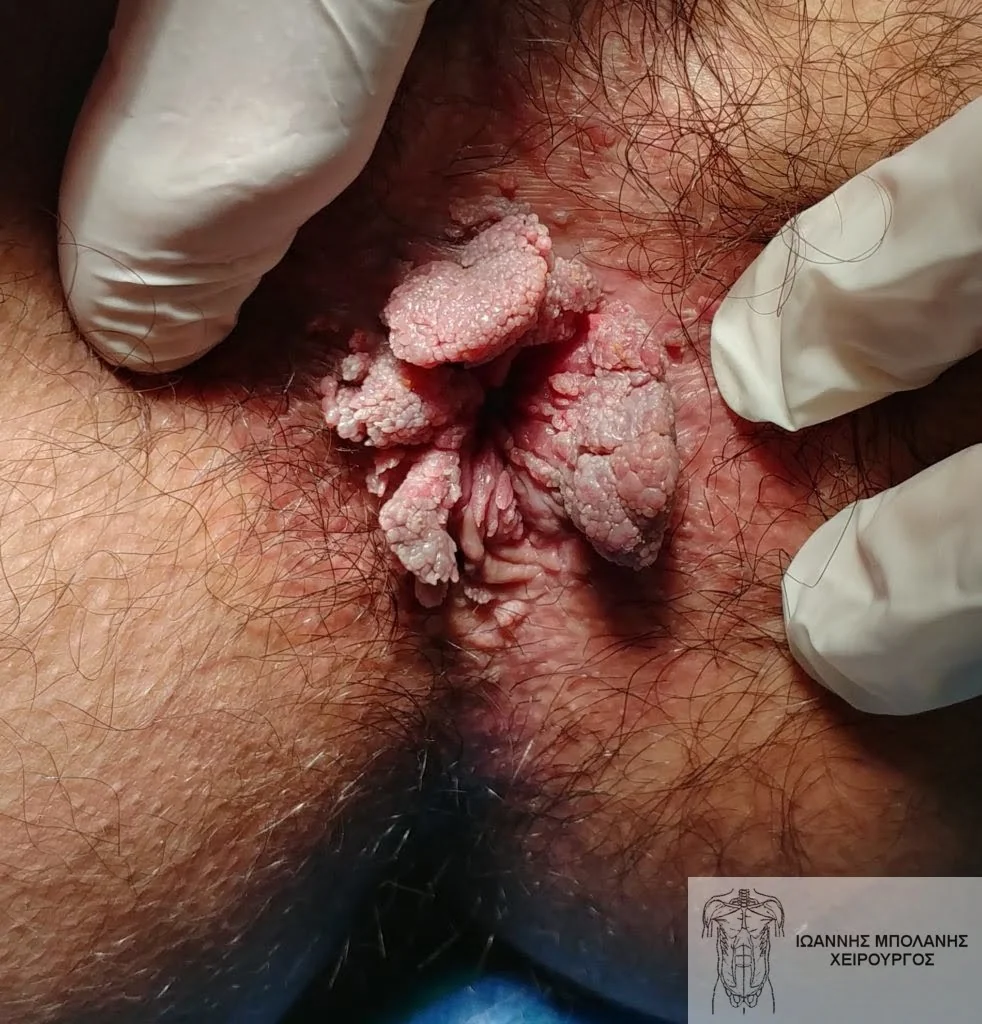
Anal warts are the most common viral sexually transmitted disease in the United States. Warts can appear in the genital area but also in the anus. Anal warts should be treated by specialist bowel-anal surgeons, especially when they occupy a large area or there is suspicion of malignancy. Although warts (condylomata acuminate – anogenital warts) affect both sexes, women represent 67% of patients.
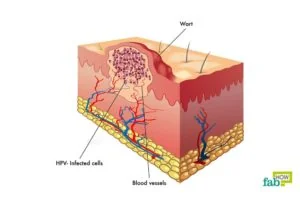
Rationale
A wart is caused by an infection with the human papillomavirus (HPV). HPV includes a family of highly infectious and primarily sexually transmitted viruses. The incubation period after exposure ranges from three weeks to eight months. Most infections are transient and clear up within two years.
People with warts are at increased risk for rectal cancer. In a large study, people diagnosed with warts had an increased risk of rectal, genital, head and neck cancer more than ten years after diagnosis with a confirmed association with HPV.
There are over 70 different HPV subtypes, about 35 types are specific for the epithelium of the anus and genitals, and they have varying potential to cause malignant changes, such as perianal or anal cancer. HPV serotypes 16 and 18 are most commonly associated with squamous cell carcinoma. Low-risk serotypes, such as HPV6 and 11, do not integrate into the host genome and are more commonly associated with benign warts and low-grade intraepithelial neoplasia. Intermediate-risk subtypes can cause high-grade dysplasia, which persists but rarely progresses to the stage of infiltration (malignancy).
Risk Factors
Getting warts is related to sexual activity. Anus, mouth, vagina and hand contact can also spread the virus. The disease is also more common in immunosuppressed people.
The disease in women is mainly caused by vaginal intercourse. Anal warts can appear by extension from the genitals or from anal intercourse. The risk of developing the disease increases with the number of sexual partners. An increased risk of warts was also associated with a history of any sexually transmitted disease or oral herpes.
In men, warts appear on the penis and/or anus, whether they have heterosexual or homosexual activity. Perianal lesions may occur among heterosexual men, although most of these lesions are seen among men who have homosexual intercourse. The risk of the disease increases with the number of sexual partners as in women.
The prevalence (incidence) of warts is higher in patients who are HIV positive (AIDS) or who have other forms of sexually transmitted diseases.
Anal Warts Symptoms
Symptoms associated with anal warts vary depending on the number of lesions and their location. Patients with a small number of warts are often asymptomatic. Other patients may have itching, bleeding, burning, tenderness, vaginal discharge, or pain.
Warts can occasionally form large extraphytic masses that can interfere with defecation, intercourse or normal childbirth. Lesions affecting the anus can also cause a stricture.
Diagnosis of Anal Warts
Warts can usually be diagnosed by visual inspection of the affected area. The lesions, which are skin-colored or pink, range from smooth flattened elevations to a papillomatous appearance.
The extent of the lesion should be documented by physical examination and proctoscopy and/or colposcopy. High-resolution proctoscopy is increasingly being used to allow improved visualization of tissue. In addition, the application of 5% acetic acid (vinegar) causes the lesions to turn white, which facilitates identification but is not specific to them alone (other conditions in the area may also change color).
Biopsy is useful when the diagnosis is uncertain, in patients who do not respond to treatment, in immunocompromised patients, in patients with large lesions or the presence of atypical features. Some recommend always doing a biopsy to look for malformation.
Differential Diagnosis
HPV wart should be distinguished from another form of wart (condylomalata), which is caused by secondary syphilis infection.
Squamous cell carcinoma of the anorectal region may coexist with warts. Suspicious lesions (especially those that are ulcerated) should be biopsied. Lesions that do not respond to treatment or have not resolved after six months should be reevaluated and a biopsy taken to confirm the diagnosis. Patients who are immunocompromised or over 40 years of age or have large or atypical lesions have a higher likelihood of malignancy.
Treatment for Anal Warts
Wart treatment involves one of three main approaches: Chemical or physical destruction, immunotherapy, or surgical excision.
The preferred treatment depends on the number and extent of the lesions. In general, all treatments for genital warts are somewhat inadequate due to recurrence rates of 30 to 70% within six months of treatment. However, spontaneous regression is also possible and has been reported to occur within three months in 20 to 30% of cases.
There is no evidence that one treatment is significantly superior to another or suitable for all patients and all types of warts. Patients with large or multiple warts should be referred to a surgeon (gynecologist or proctologist) because surgical treatment will probably be required.
Chemical Agents
Chemical agents include podophyllin, trichloroacetic acid, and 5-fluorouracil/epinephrine gel.
Podophyllin contains the antifungal agent podophyllotoxin, which inhibits the cell cycle and leads to cell death. Podophyllin solution, when used topically as an agent has limited success in clearing warts (20 to 50% clearance in three months). It is usually used as a solution in combination with another treatment method such as cryotherapy. Large areas should not be treated in a single application because of potential neurotoxicity and pain when the area becomes necrotic. Podophyllin should never be applied to the cervix or vaginal epithelium because of the risk of chemical burns.
The drug is teratogenic and should not be used during pregnancy. Not suitable for internal use (e.g. Mucosa). Side effects range from mild skin irritation to ulceration and pain, depending on the concentration used and the length of time it is applied to the skin.
A similar agent, 0.5% podofilox (podophyllotoxin) can be given alone. It is applied to external warts twice a day for three days, followed by a four-day rest period, and then repeated up to four times. The treated area and volume of drug per application should not exceed 10cm and 0.5mL, respectively. Podophyllotoxin showed greater efficacy and cost-effectiveness compared to podophyllin treatment. However, recurrence of warts was without significant differences.
Trichloroacetic acid (80 to 90% concentration) naturally destroys wart tissue by coagulating proteins. Clearance rates and adverse effects are similar to podophyllin. Repeated application is required. However, unlike podophyllin, trichloroacetic acid can be used for internal lesions and during pregnancy. The solution is very caustic and should not be applied to the skin surrounding the lesion, a barrier of petroleum jelly helps protect surrounding unaffected areas.
5-Fluorouracil/Epinephrine – Fluorouracil is a pyrimidine antimetabolite that interferes with DNA synthesis leading to cell death. A gel consisting of 5-fluorouracil and epinephrine can be injected into the lesion. However, the relapse rate in patients with a complete response is 50 to 60% at three months.
Immune Modification
Imiquimod and interferon alpha are the two immunomodulating agents that have been used.
Imiquimod is a positive immune response modifier, which acts by local induction of cytokines. When applied topically as a 5% cream, it has shown a significant effect in clearing warts (72 to 84% of patients show some response, with complete clearance rates of 40 to 70%) with few recurrences (5 to 19%).
Imiquimod is not indicated for internal use. The cream is applied and left in place for six to ten hours, then washed off. Application of 5% cream three times a week for up to 16 weeks. The main side effect is mild to moderate local irritation.
Treatment with interferon alfa can achieve complete resolution of anal warts in 25 to 80% of patients, but is often associated with interferon-related side effects and recurrence. Interferon can also be given intralesionally.
Sinecatechins is a herbal medicine for the topical treatment of external warts. The active ingredient is kunecatechins, which is a mixture of catechins and other components of green tea. The exact mechanism of action of catechins is unknown, but it has an antioxidant and immune enhancing effect.
90% Reported local application site reactions, some of which were severe (pruritus, erythema, pain, inflammation, ulceration).
Anal Wart Surgery
Surgical treatment with cautery or excision may be considered when drug therapy has failed or when warts are suitable for surgical removal. Cryotherapy can be performed in a properly equipped office, but laser treatment or excision requires surgery and is therefore usually a last resort after other methods have failed. However, very large lesions are best treated with surgery as the initial approach.
Cryotherapy – Cryotherapy can be performed in the office by applying a liquid nitrogen spray. This procedure is safe during pregnancy. This method causes pain during application and then variable local inflammation. Three-month clearance rates are 63 to 92 percent, again requiring repeated application.
Laser therapy – Laser therapy is performed in the operating room and requires anesthesia. A colposcope or proctoscope is useful for laser treatment of warts inside the vagina or anus. The tissue absorbs the laser energy, which is converted into heat energy, sublimating the warts. Tissue destruction should not exceed 1 mm in depth.
This technique has wart clearance rates approaching 100% within one year.
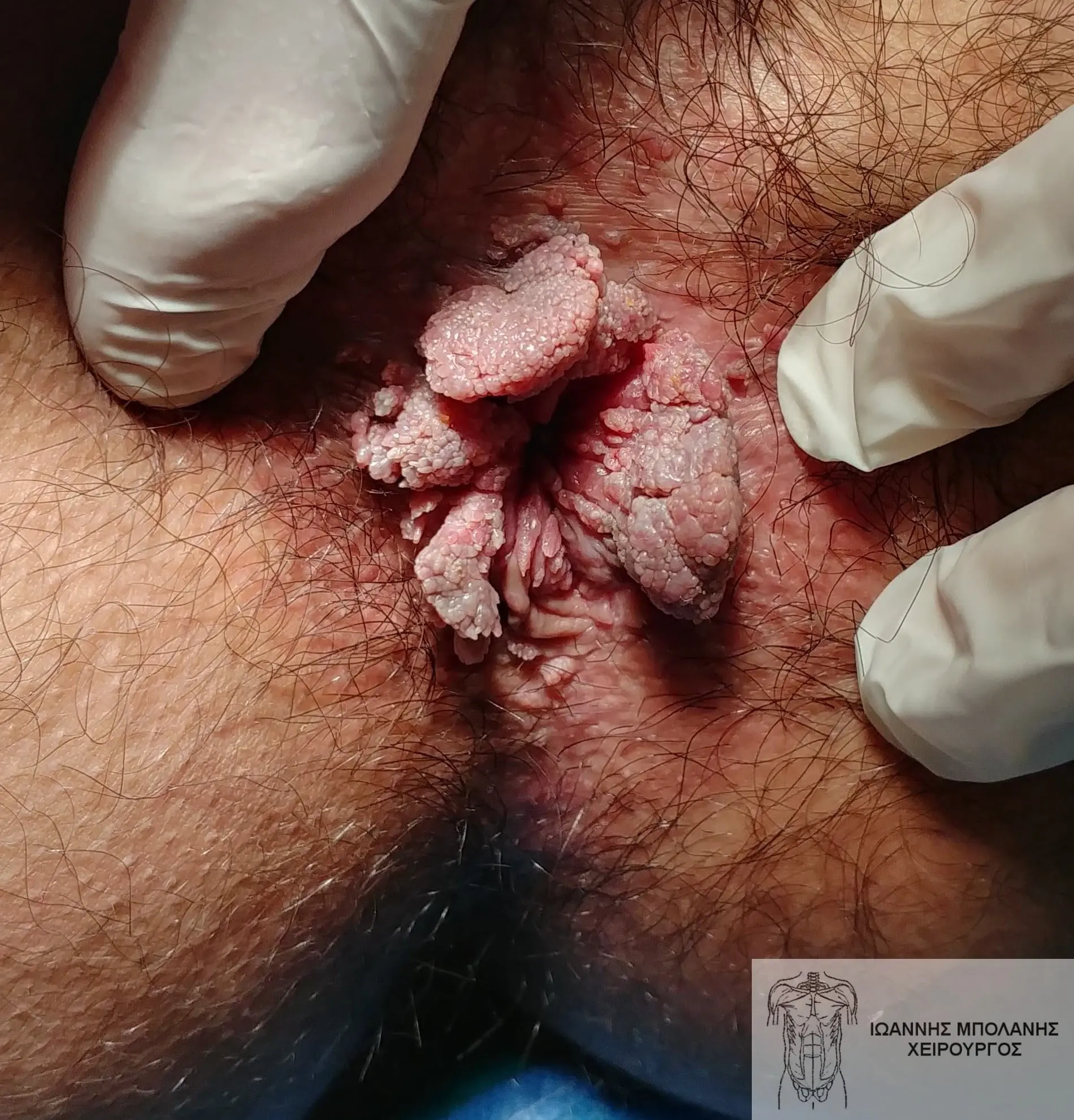
Corresponding to the laser, there is also the newer radio wave (RF) treatment with the same effectiveness and safety.
Laser or radio wave therapy are the most modern, effective and safe treatments for warts.
Excision surgery requires anesthesia and involves surgical risks such as infection and bleeding. Clearing rates within three months are 36%. The area of the lesion is excised to the normal skin or mucosa and the roots of the lesions are cauterized. Care must be taken not to extend the cautery into the subcutaneous or submucosal fat. Excessive cauterization increases the risk of developing stenosis. Removed warts should be examined histologically to exclude the presence of carcinoma.
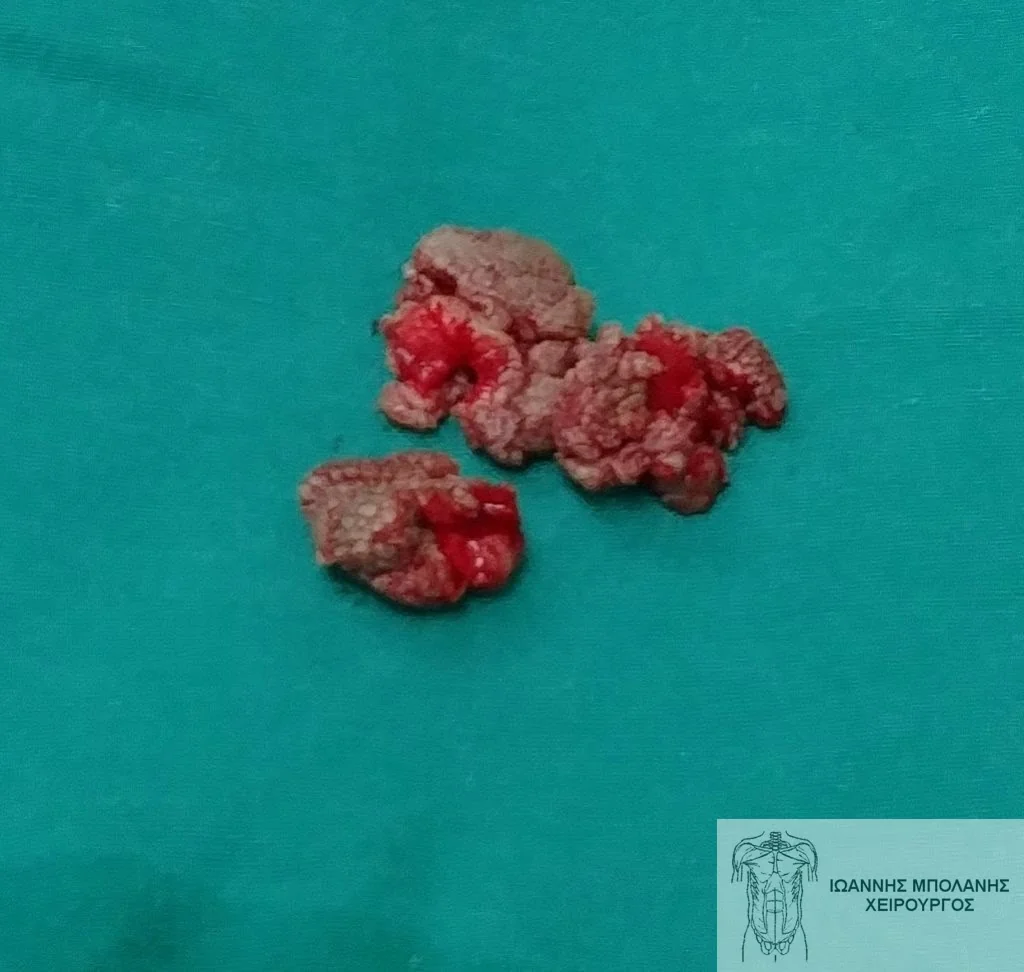
Excision is preferred when malignancy is suspected so a biopsy should be done rather than just destruction as with laser or radio waves.
In pregnant women, large lesions may obstruct the vagina during labor. Such lesions should be treated aggressively or delivery by caesarean section.
Topical Antimicrobials
A newer approach that is beginning to appear in the literature involves the topical application of antimicrobials, including Cidofovir and Bacillus Calmette-Guerin (BCG). Both treatments require further study.
Infrared Coagulation
Infrared coagulation achieves tissue coagulation by focusing a narrow beam of infrared light passed through a catheter. The technique is used to treat hemorrhoids, remove tattoos, treat chronic rhinitis, remove ants and warts. Successful treatment reaches 80% in women with genital warts.