
Anal cancer Diagnosis Treatment
Anal cancer is a relatively rare malignancy. It accounts for less than 2% of all gastrointestinal cancers. It has a good prognosis with a five-year survival rate of 80%. The majority of Anal cancers have squamous histological features and usually do not require surgery. They are treated with radiation - chemotherapy and we will analyze them later.
Anal cancer and HPV infection warts
The incidence of anal cancer is increased due to infection with the human papillomavirus (HPV). Anal cancer usually follows high-grade anal intraepithelial neoplasia (AIN grade 2 or 3).
Anal cancer treatment depends on tumor staging and is based on radiation therapy (RT), chemotherapy (CT) and surgery. Local and locally advanced anal canal tumors are treated with a combination of radiation and chemotherapy. Chemotherapy alone is generally used to treat metastatic disease. Surgery is used for recurrent or residual disease.
Symptoms of anal cancer
Because the anus is easy to examine by the patient himself, lesions are usually detected early. The most common symptoms and findings are:
- Palpable tumor
- Bleeding
- Pain
- Itching
- Change in bowel movements (constipation or diarrhoea) and the shape of stools
- Discharge from the anus
- Palpable lymph nodes in the groin
As soon as we notice anything strange in the area of the anus, we should go to the specialist doctor to examine us, establish the diagnosis and stage the disease. The tests needed for diagnosis and staging are:
- Palpation of the anus and inguinal lymph nodes
- Axial thorax, abdomen
- Pelvic-anal magnetism
- Proctoscopy with biopsy + (gynecological examination in women)
- HIV testing
Anal Cancer Treatment
Local and locally advanced anal cancer

In the past, non-metastatic anal tumors were treated with abdominoperineal resection (APR) and permanent colostomy, with a five-year survival rate of 40% – 70% and a mortality rate of 3%. Later based on the findings of several studies that compared surgery, with radiation or radiation and chemotherapy, they found that this treatment yielded five-year survival rates of 72% – 89% clearly superior to surgery alone. This combination had a statistically significant effect on overall survival, colostomy-free survival, and reduced risk of lymph node recurrence.
As it was subsequently shown, the combination of radiation with chemotherapy is superior to radiation alone, in terms of survival, local recurrence and avoidance of permanent colostomy (regardless of the nature of the site). The drugs commonly used in chemotherapy are 5-fluorouracil in combination with mitomycin or cisplatin.
Surgery is also used selectively in small tumors where a local excision can be performed with healthy margins of ~1cm without disturbing the sphincter.
No surgical intervention should be done if staging is not done because the area changes and other tests are not reliable.
Treatment of relapse and residual disease in anal cancer
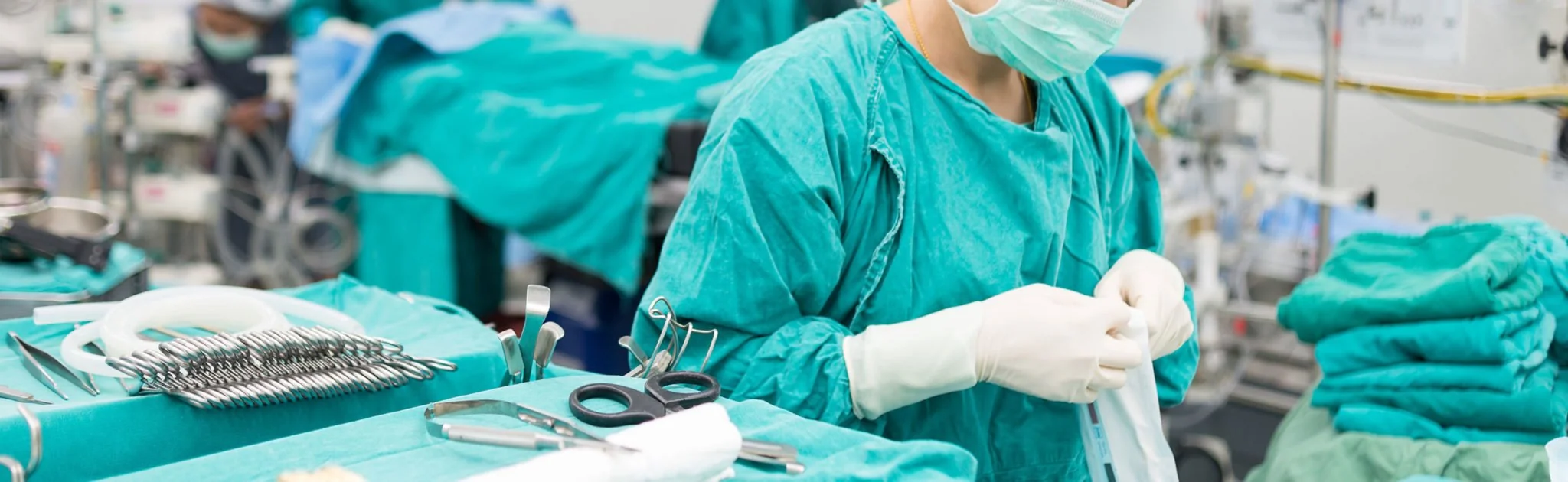
Abdominal perineal resection is required in approximately 30% of cases, either due to failure to respond to chemoradiotherapy, or due to recurrence (recurrence) of anal cancer. Although the prognosis is generally worse in these cases, surgery can offer a 60-65% survival rate. Important favorable prognostic factors are the absence of lymph node metastasis, clear resection margins, tumor size less than 5 cm, no involvement of adjacent organs. The use of intraoperative radiotherapy or brachytherapy may improve local recurrence rates when radical resection is not feasible.
Metastatic Disease in Anal Cancer
Metastases in anal cancer are relatively rare. The liver is the most common site of metastatic disease. The combination of cisplatin and 5-fluorouracil is considered the most classic chemotherapy regimen in these cases. Surgery also helps in isolated metastases that can be removed, in the brain or liver.
New Treatments
In recent years, new drugs have been tested in patients who have not responded well to classical chemotherapy, and HPV vaccination also appears to protect against the disease. New treatments such as photodynamic therapy and immunotherapy promise to improve the survival of patients with anal cancer.
Anal cancer Conclusions
Current treatment options for anal cancer are radiation and chemotherapy. A small percentage of patients will need surgery if there is no good response or disease recurrence occurs.
Many new strategies are being studied in these tumors, from targeted therapies to immunotherapy and photodynamic therapy. Vaccination, as a prevention strategy, may be the ideal means of reducing the incidence of anal cancer.