Irritable Bowel or Spastic Colitis
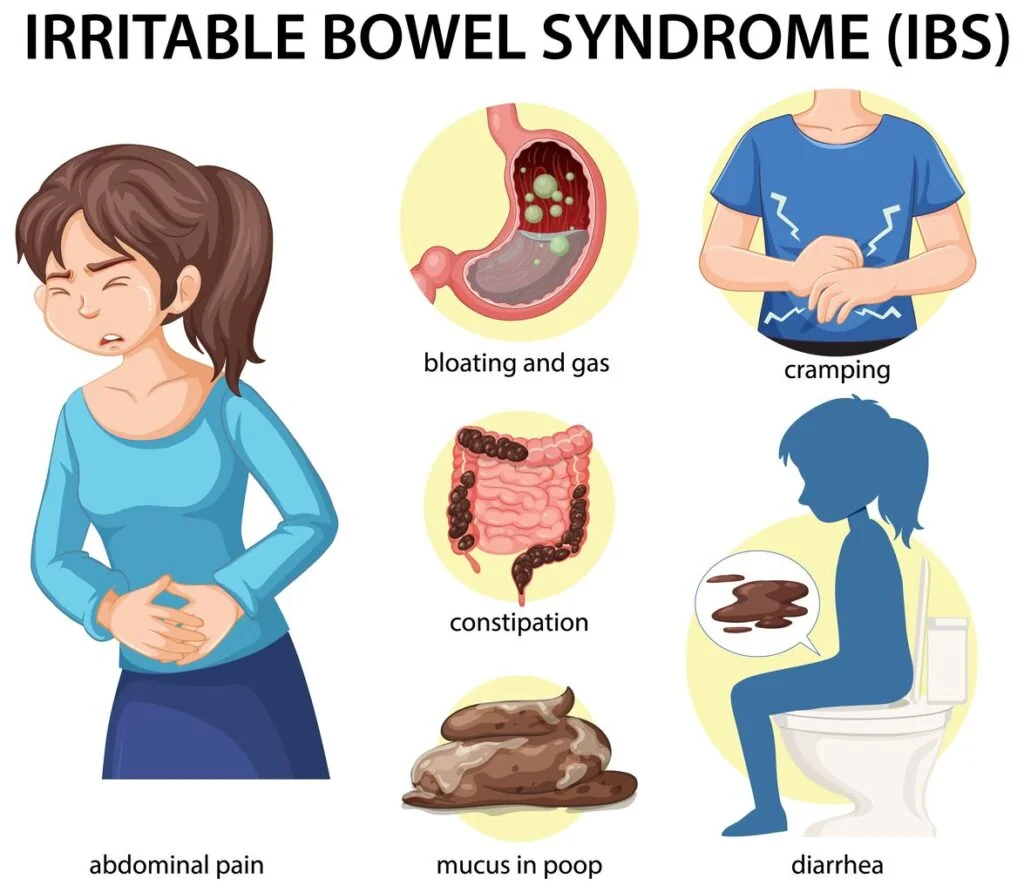
Irritable bowel syndrome (IBS) or otherwise spastic colitis is one of the most common functional disorders of the digestive system. Although not life-threatening, it significantly affects patients' quality of life, as it is associated with abdominal pain, pain, bloating, swelling, colic, and alternating between constipation and diarrhea.

Definition
Irritable Bowel Syndrome (IBS) is a chronic bowel disorder characterized by abdominal pain (bowel colic) or discomfort (bloating, bloating), combined with changes in bowel habits (diarrhea, constipation, or both). It does not cause damage to the intestine, but is due to hypersensitivity and dysfunction in the regulation of intestinal motility.
Symptoms
The most common symptoms include:
- Abdominal pain / colic pain, which usually improves after a bowel movement.
- Bloating and swelling in the abdomen.
- Changes in bowel movements: Constipation, Diarrhea, or alternating between the two.
- Feeling of incomplete emptying.
- Mucous stools without blood.
Signs that require medical investigation: bleeding, weight loss, anemia, prolonged or nocturnal diarrhea, family history cancer or inflammatory bowel disease.
Diagnosis
Diagnosis is mainly based on history and symptoms (Rome IV criteria). The doctor may order tests to rule out other conditions:
- History Analysis: Focus on abdominal pain, colic, bloating, changes in bowel movements
- Hematological and biochemical control
- Ultrasound or axial upper and lower abdomen
- Colonoscopy, gastroscopy
- Stool examination: Exclusion inflammation or infections
- Food intolerance test, etc
These are some indicative tests but more specific ones may be needed.
Rome IV Criteria
- Abdominal pain: ≥4 days/month, ≥2 months
- Associated with at least 1 of the following: Changes with bowel movements Change in stool frequency Change in stool form
- Children with constipation: Pain remains after treatment of constipation
- Other diseases are excluded
- Duration of symptoms: ≥2 months before diagnosis
CEE subcategories (by type of voids)
Based on the symptoms, SLE is divided into:
| Type | Features |
| IBS-C (Constipation predominant) | Mostly constipation |
| IBS-D (Diarrhea predominant) | Mostly diarrhea |
| IBS-M (Mixed) | Alternating diarrhea and constipation |
| IBS-U (Unsubtyped) | It does not fit neatly into other categories |
Treatment
Treatment is individualized and includes diet, medication and lifestyle changes.
1. Nutrition
- Small and frequent meals.
- Limiting caffeine, alcohol and fat.
- Cut back on foods that cause gas (legumes, carbonated drinks, cabbage, broccoli).
- Increase fiber in constipation (watch out for bloating).
- FODMAPs diet in selected patients.
2. Pharmaceutical treatment
- Antispasmodics for pain and colic.
- Mild laxatives for constipation.
- Antidiarrheals in diarrhea.
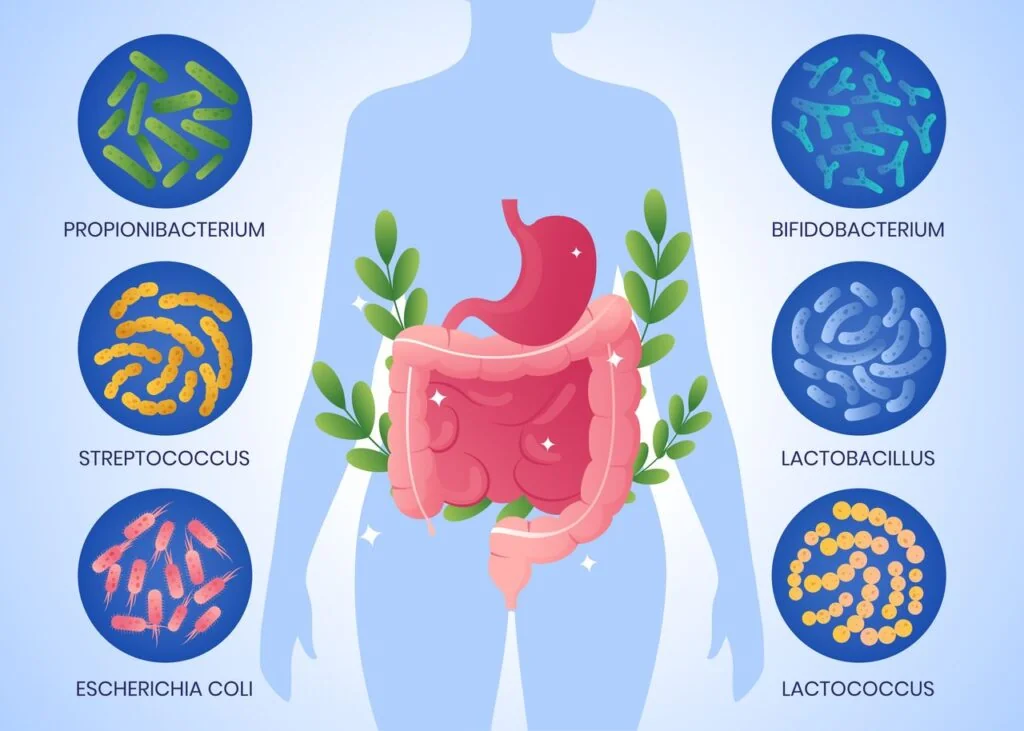
- Probiotics to improve intestinal flora.
- Low-dose antidepressants in severe cases.
3. Way of life
- Stress reduction with relaxation techniques (yoga, meditation).
- Physical exercise (walking, swimming, cycling).
- Adequate sleep.
Diet
General Instructions
- We eat small and frequent meals (5–6 per day).
- Chew well and eat slowly.
- We avoid excessive fat, fried foods, alcohol, caffeine, carbonated drinks.
- We record foods and symptoms for 2–4 weeks to identify “problem” foods.
FODMAP reduced diet (in bloating or diarrhea)
- Avoid: Onion, garlic, cabbage, broccoli in large quantities Apples, pears, watermelon, sweets with fructose syrup Dairy products with lactose
- Allowed: Carrot, pumpkin, potato, tomato Banana, orange, berries Lactose-free dairy, plant-based drinks (e.g. Almond)
For IBS-C (Constipation)
- We increase soluble fiber: Oats, flaxseed, barley.
- We drink 1.5–2 liters of water daily.
- We add probiotics with bifidobacteria or lactobacillus.
For IBS-D (Diarrhea)
- We limit stimulants and excessive fats.
- Avoid whole grains if they cause bloating.
- We eat protein sources such as chicken, fish, eggs without much fat.
Medicines – Supplements
| Symptom | Recommended | Notes |
| Abdominal pain/cramping | Anticonvulsants (eg mebeverine) | Always with medical advice |
| Diarrhea (IBS-D) | Loperamide, Rifaximin (in severe cases) | Rifaximin only with a doctor |
| Constipation (IBS-C) | Macrogol, linseed, lubuprostone | We start with dietary fiber, medicine if necessary |
| Inflation | Probiotics (Bifidobacterium, Lactobacillus) | 4–8 week trial |
| Anxiety / stress | Low-dose antidepressants (in severe cases) | Always with a doctor |
Important: Any change in medication or supplements should be made with medical guidance, especially in chronic or severe symptoms.
Lifestyle & Stress Management
- Exercise: 30 minutes of moderate intensity (walking, cycling, yoga) 4–5 times/week.
- Stress management: Relaxation techniques: Deep breathing, meditation, progressive muscle relaxation. Psychotherapy (CBT) for severe anxiety or chronic pain.
- Logging & tracking: Meal, symptom and exercise diary. Identification of "problematic" factors.
What does FODMAP mean?
Fermentable Oligosaccharides, Disaccharides, Monosaccharides And Polyols ie:
- Fermentable Carbohydrates that are fermented by gut bacteria, causing gas and bloating.
- Oligosaccharides Short chains of sugars, such as fructans (in wheat, onion, garlic) and galacto-oligosaccharides (GOS) (in legumes).
- Disaccharides Double sugars, mainly lactose (in milk and soft cheeses).
- Monosaccharides Simple sugars that are difficult for some people to absorb, especially fructose (in honey, apples, high fructose corn syrup).
- Polyols – Polyols (sugar alcohols) Sweetening substances such as sorbitol, mannitol, xylitol, maltitol, found in some fruits, vegetables and artificial sweeteners.
Foods high in FODMAPs can cause bloating, gas, diarrhea or constipation in people with irritable bowel syndrome (IBS).
Low FODMAP foods (Generally safe in moderate amounts)
Vegetables:
- Carrots, zucchini, cucumber, peppers
- Lettuce, spinach, kale
- Tomatoes, eggplant
- Beans, pumpkin (in small quantities)
Fruits:
- Banana (ripe)
- Blueberries, strawberries, raspberries
- Grapes, oranges, kiwi
- Pineapple, melon
Cereals & Grains:
- Rice, oats, quinoa, polenta
- Gluten-free bread/pasta (no high FODMAP ingredients)
Proteins:
- Eggs, chicken, turkey, beef, fish
- Firm tofu, tempeh (in moderation)
Dairy & Alternatives:
- Lactose-free milk
- Hard cheeses (eg cheddar, parmesan)
- Almond milk (unsweetened), coconut milk (restricted)
Nuts & Seeds:
- Almonds (up to 10), macadamias, pecans, pumpkin seeds, sunflower seeds
Sweeteners:
- Maple syrup, white sugar, stevia (in small amounts)
High FODMAP Foods (Often Cause Symptoms)
Vegetables:
- Onion, garlic, cauliflower, broccoli, asparagus
- Mushrooms (white, shiitake)
Fruits:
- Apples, pears, mangoes, watermelon
- Cherries, peaches, plums
Cereals:
- Wheat, rye, barley (in large quantities)
- Products with a high content of fructans
Dairy products:
- Milk, soft cheeses (ricotta, cream cheese)
- Yogurt with lactose
Legumes:
- Lentils, chickpeas, kidney beans, black beans
Sweeteners:
- Honey, High Fructose Corn Syrup, Sorbitol, Mannitol, Xylitol
Tips for using a list:
- Quantity counts — some high FODMAP foods can be tolerated in very small amounts.
- Keep a food diary to identify personal triggers.
- Combine the list with nutritionist guidance for long-term IBS management.
Newer data in the pharmaceutical treatment of Irritable Bowel Syndrome
Today there are different classes of drugs that are used depending on the predominant symptom (diarrhea, constipation or pain).
1. Antispasmodics
- They reduce intestinal contractions and relieve pain.
- Examples: Hyoscyamine, mebeverine.
2. Low-dose antidepressants
- Tricyclics or SSRIs in small doses reduce gut hypersensitivity.
- They are used not for depression but to control pain and discomfort.
3. Medicines for diarrhea
- Loperamide: Helps control frequent bowel movements.
- Newer drug: Eluxadoline, acts on the intestine reducing diarrhea.
4. Medicines for constipation
- There are laxatives that increase the volume of stool.
- Newer: Linaclotide and plecanatide, which activate intestinal hydration mechanisms.
5. Newer factors and research
- Rifaximin (an antibiotic that acts locally in the gut) has shown benefit in patients with bloating and diarrhea.
- Probiotics: Evidence that they can improve gut function, although results vary.
- Newer studies are looking at drugs that target the brain-gut axis for better symptom control.
Conclusions
Irritable bowel does not have a single treatment, but a personalized approach. Diet and lifestyle changes remain the mainstay, but newer drugs give more options for those with severe symptoms. The treatment must always be done under the guidance of a doctor, so that it can be adapted to the needs of each patient.
Other Data
- The gut microbiome appears to play a key role.
- Psychotherapy significantly improves symptoms.
- New drugs have been added for targeted therapy.
Useful for Patients
- Irritable bowel doesn't develop into cancer.
- With proper management, symptoms are significantly reduced.
- Follow-up by a gastroenterologist is essential.
The treatment of irritable bowel syndrome (IBS) is multidimensional and depends on the type of symptoms (diarrhea, constipation or mixed type) as well as the intensity of the disturbances. There is no 'cure-all', but proper management can significantly reduce symptoms and improve quality of life.
What are probiotics?
Probiotics are live microorganisms (usually bacteria or yeast) that when taken in sufficient amounts:
- Support gut health,
- Improve the microbial balance,
- They can reduce inflammatory reactions and improve immunity.
What are prebiotics?
Prebiotics are non-digestible fibers or carbohydrates that:
- Are not broken down in the upper digestive system,
- Reach the large intestine where they feed the beneficial bacteria (such as Lactobacillus and Bifidobacterium),
- Promote the development of a healthy intestinal microflora.
Prebiotics are often combined with probiotics to form synbiotics, which appear to be more likely to benefit IBS.