Gastrointestinal GIST stromal tumor, symptoms treatment prognosis
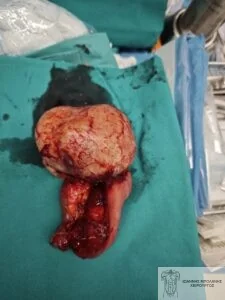
Gastrointestinal Stromal Tumors, known by the initials GIST (Gastrointestinal Stromal Tumors), are a rare but important category of neoplasms of the digestive system. They develop mainly in the stomach (about 60%) and small intestine (about 30%), but they can appear anywhere in the gastrointestinal tract, even outside it, in areas such as the peritoneum or retroperitoneal space.
GISTs arise from mediator cells of Cajal, which act as the "pacemakers" of the gut, regulating peristaltic motility. The majority of GISTs are associated with mutations in the KIT or PDGFRA gene, which lead to uncontrolled cell proliferation through activation of the associated tyrosine kinase.
Symptoms
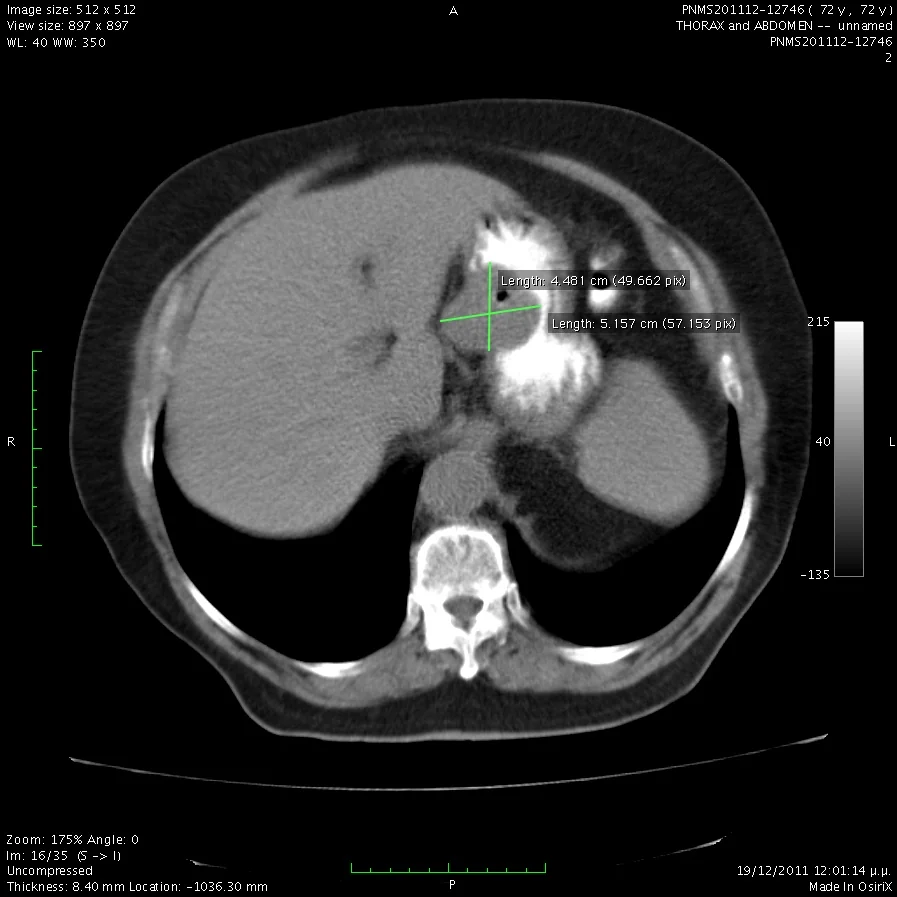
Clinically, GIST tumors may remain asymptomatic for a long time. When symptoms occur, they may include abdominal pain, gastrointestinal bleeding (bloody stools), feeling heavy or full, and anemia. Diagnosis is based on imaging tests such as CT or MRI, while confirmation is by histological examination and immunohistochemistry – specifically for the c-KIT (CD117) protein, which is positive in the vast majority of cases.
Treatment
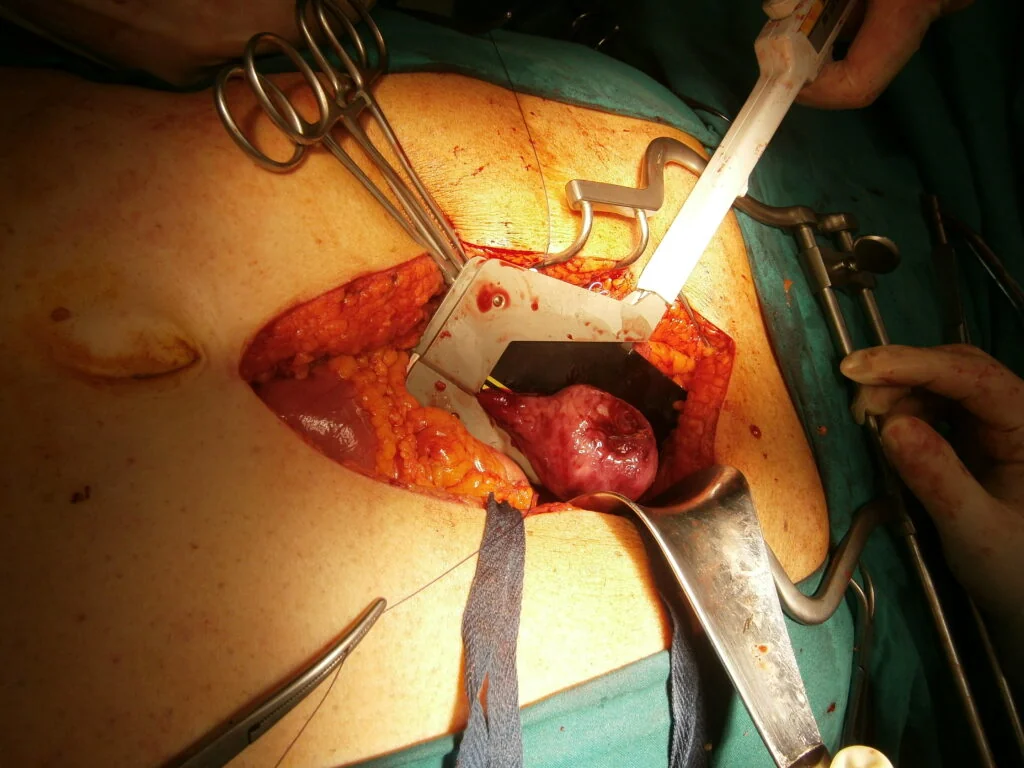
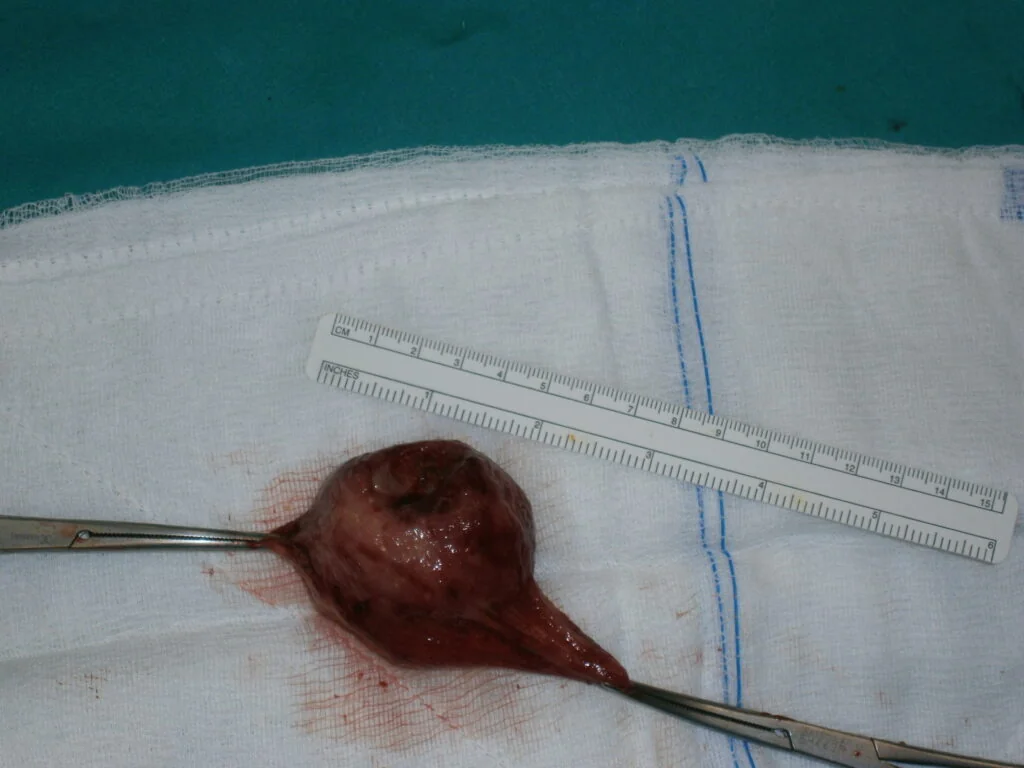
The therapeutic approach to GISTs depends on the size, location and likelihood of malignancy. Surgical removal is the mainstay of treatment for localized tumors without metastases.
However, in cases of high risk of relapse or metastatic disease, targeted therapies with tyrosine kinase inhibitors, such as imatinib, sunitinib, or ripretinib, are used.
Forecast
The prognosis of patients with GIST depends on several factors, such as the size of the tumor, the number of mitoses, and the site of localization. Tumors of the stomach usually have a better prognosis than those of the small intestine. Early diagnosis and appropriate targeted therapy have significantly improved survival rates.
1. Size
- Tumors <2 cm have a very low risk of malignancy.
- Tumors >5 cm, particularly with increased mitotic activity, are associated with an increased risk of recurrence and metastases.
2. Number of mitoses
- It is measured in number of mitoses per 50 visual fields (HPF).
- 5 Mitoses/50 HPF = high risk of malignancy.
3. Locating
- Stomach: Better prognosis.
- Small intestine or peritoneum: Usually more aggressive tumors.
- Esophagus, large intestine, rectum: They may have a more unfavorable course.
4. Complete surgical removal (R0 resection)
- It is critical for prognosis. Patients with complete removal and low prognostic risk are often completely cured.


5. Response to drug therapy
- Drugs such as imatinib have significantly improved prognosis in metastatic or recurrent disease.
Survival Rates
- Low-risk GIST (eg, <2 cm, few mitoses, stomach): 90–95% 5-year survival.
- Intermediate-risk GIST: ~75–85% 5-year survival.
- High-risk GIST or untreated metastatic disease: < 50% 5-year survival.
- With targeted therapy (eg imatinib) overall survival in metastatic patients can reach 5–10 years, depending on response.
- Relapse can occur even after years. Long-term follow-up with CT or MRI scans is required, depending on the risk profile.
In summary, GISTs are rare but potentially dangerous tumors of the digestive tract, requiring a specialized diagnostic and therapeutic approach. Advances in molecular biology and targeted drug development have offered new possibilities for more effective and personalized patient care.