Hernia, umbilical hernia, inguinal hernia, postoperative hernia
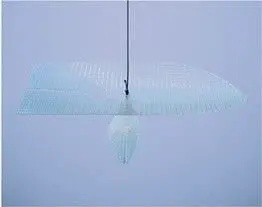
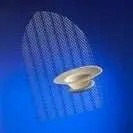
A hernia is usually easily recognized as it appears as a bulge somewhere in the abdomen. Modern surgery achieves minimization of pain and hernia recurrences by using tension free techniques and open or laparoscopic mesh.
Umbilical Hernia
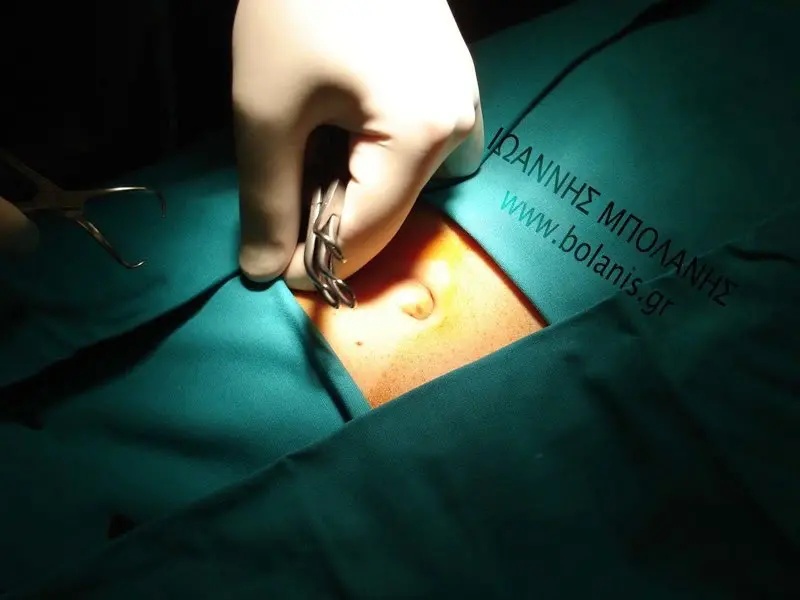
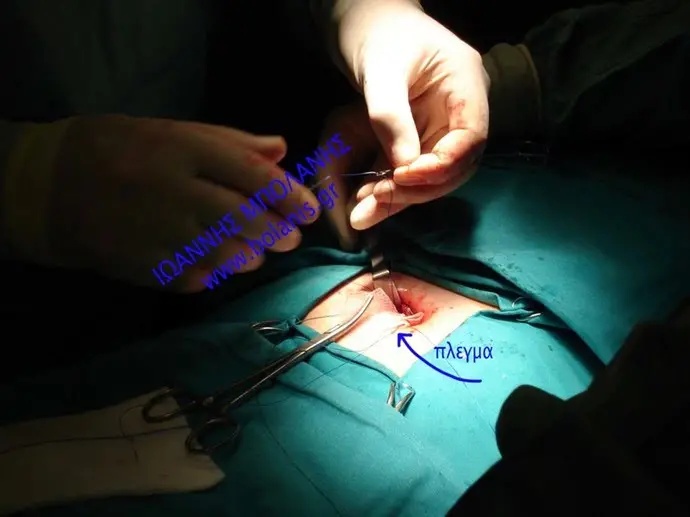
This is a swelling in the navel area.
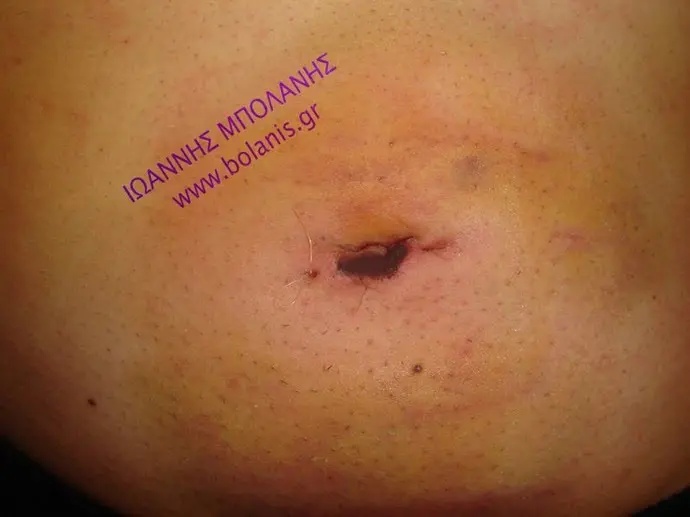
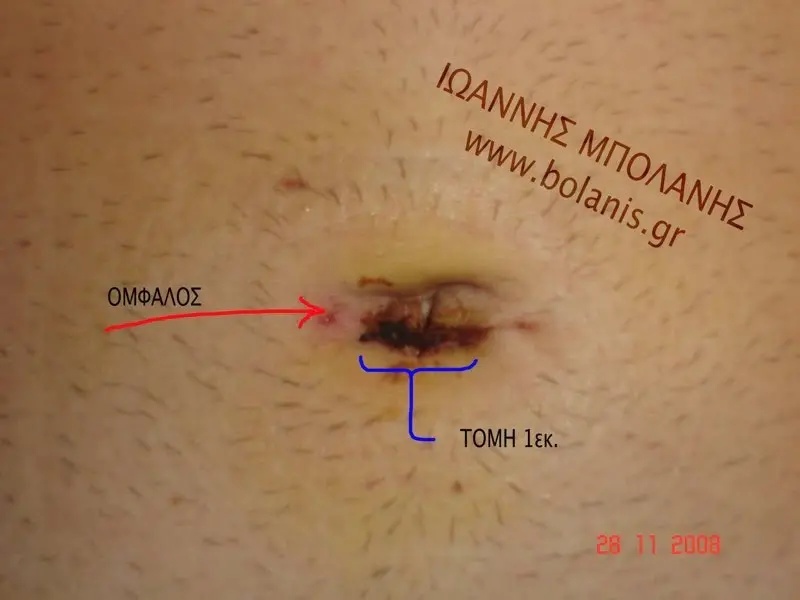
A typical umbilical hernia that was corrected with only one small incision in the umbilicus size 1-1.5 cm. In these cases, the open operation has a better aesthetic and functional result than the laparoscopic one where three holes would be needed. Laparoscopic surgery is preferred in large umbilical hernias.
Inguinal Hernia
This is a swelling in the area of the inguinal fold.
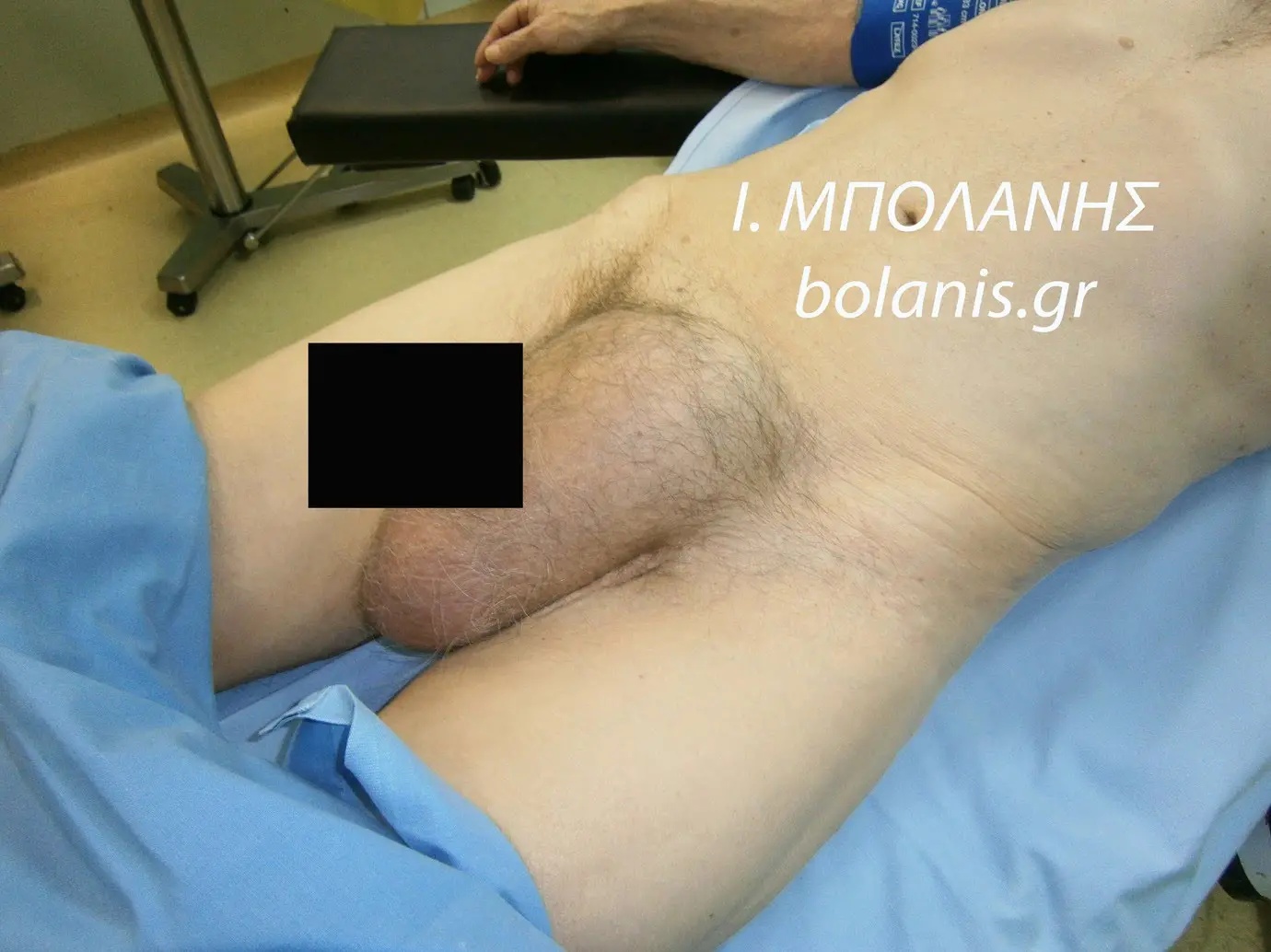
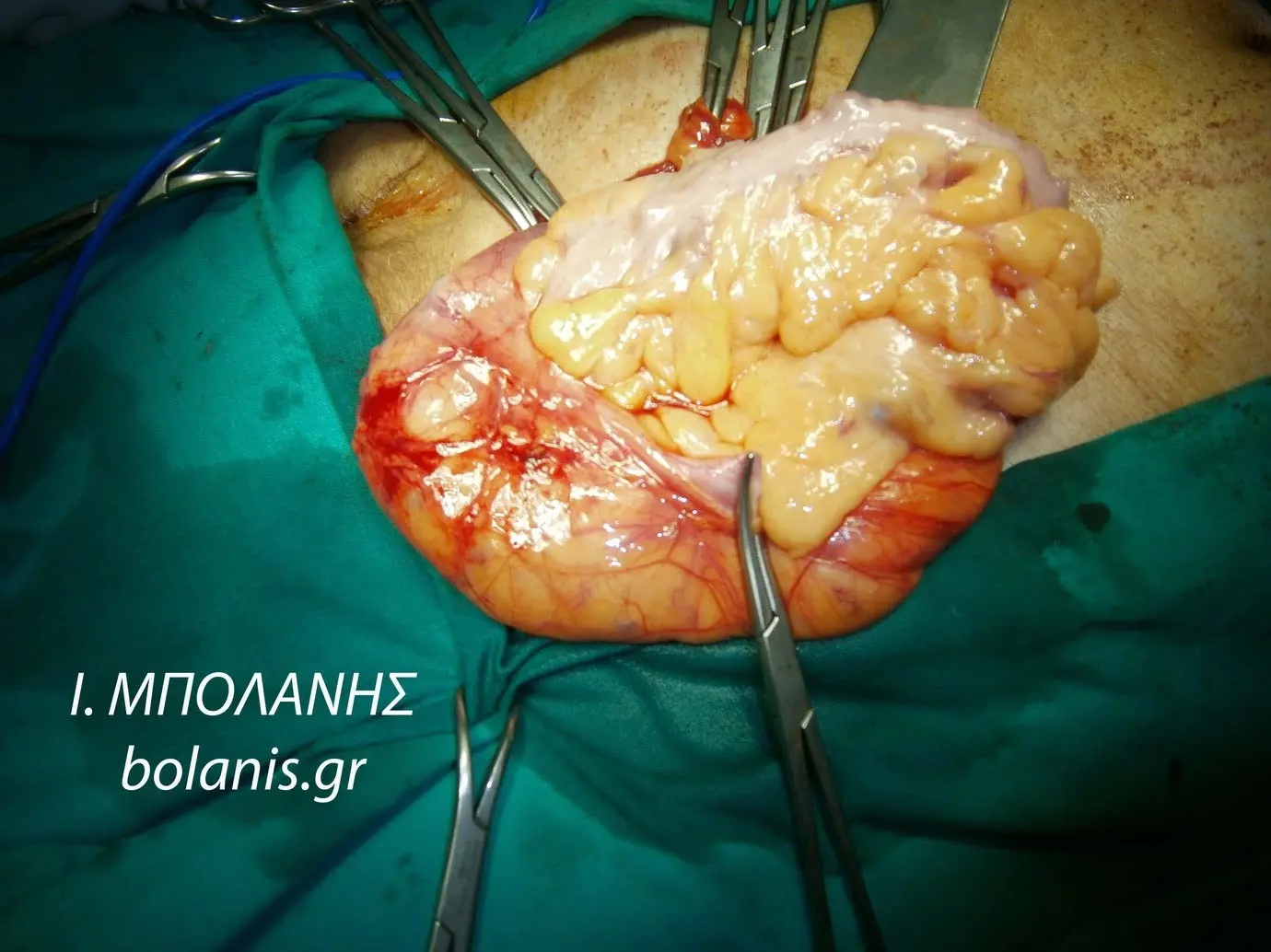
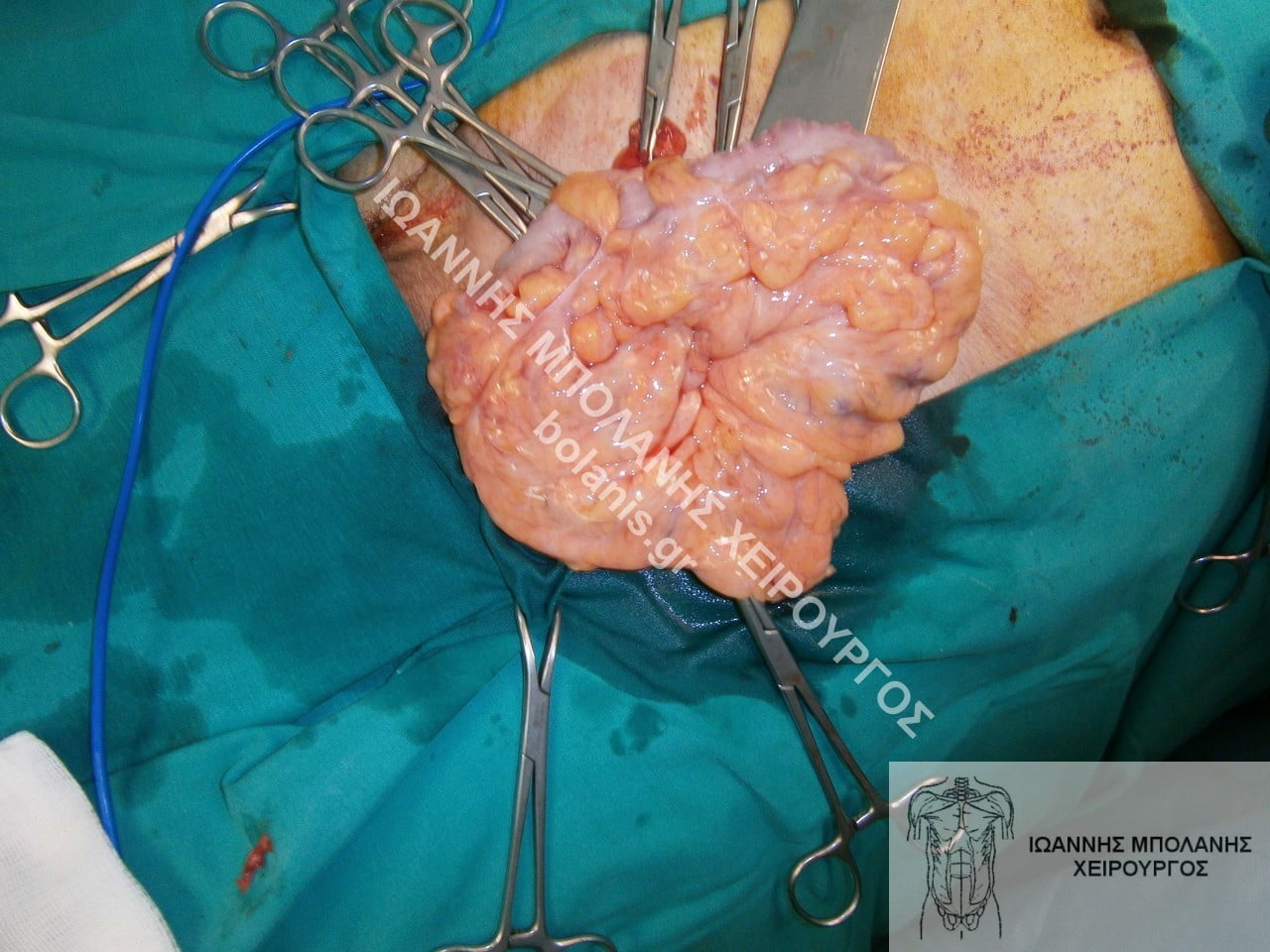
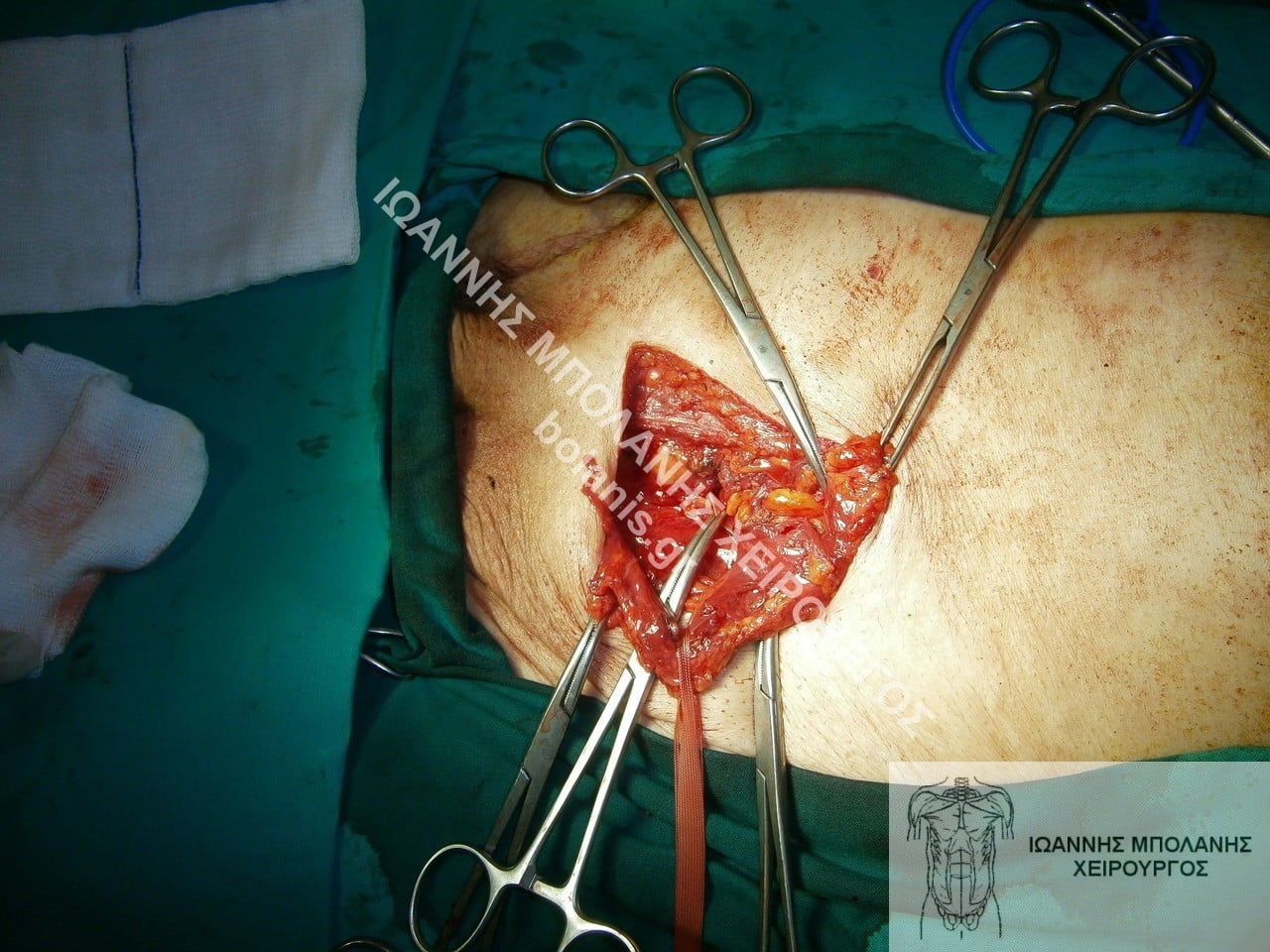
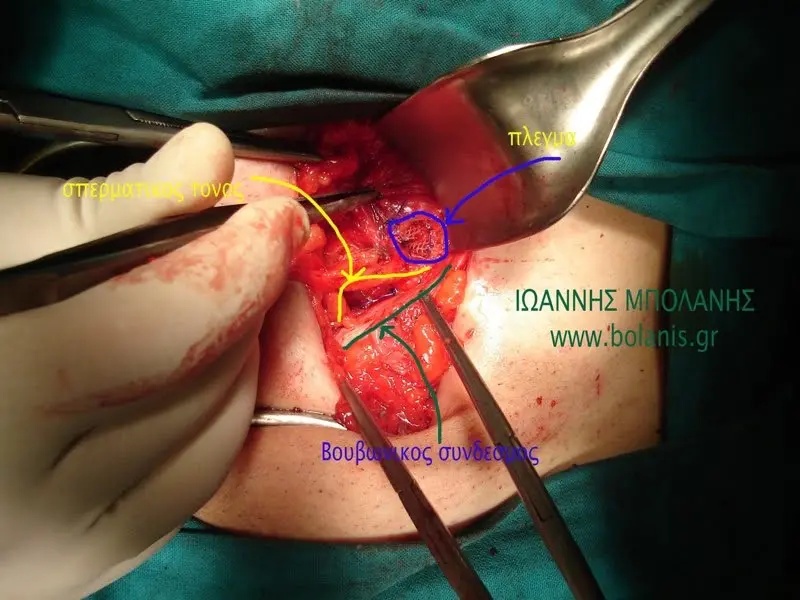
Massive inguinal hernia in an elderly man with stricture containing almost all of his bowel. The patient underwent emergency surgery fortunately without bowel necrosis and was discharged the following day.
Postoperative Hernia
Swelling in the incision area after surgery.
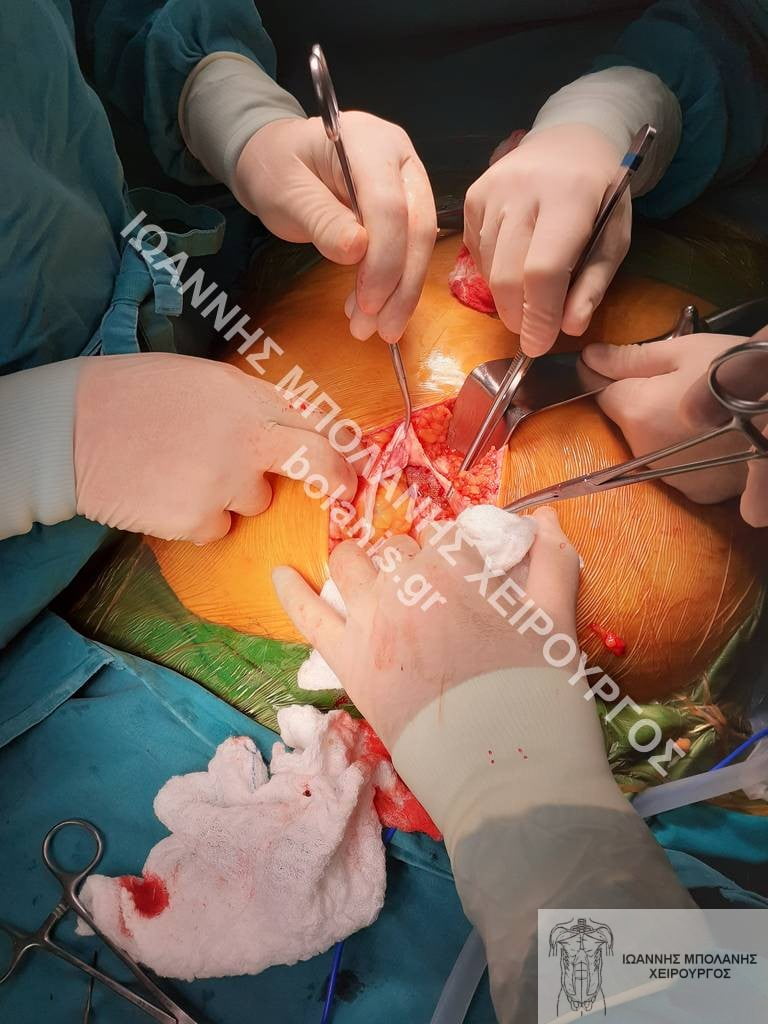
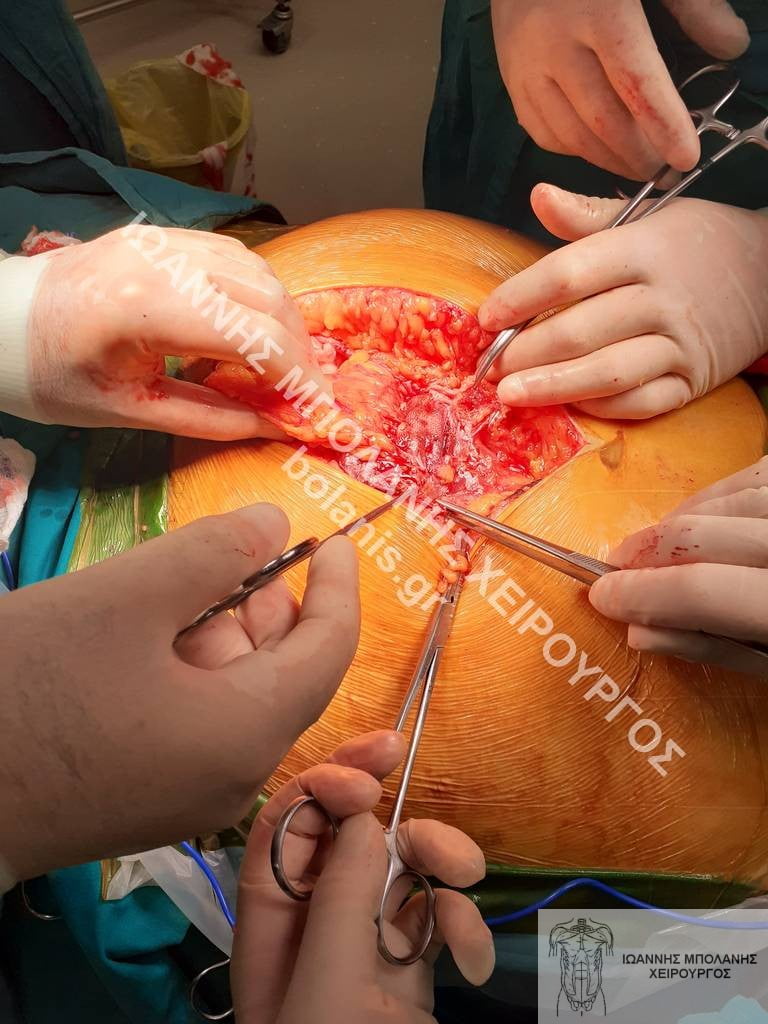
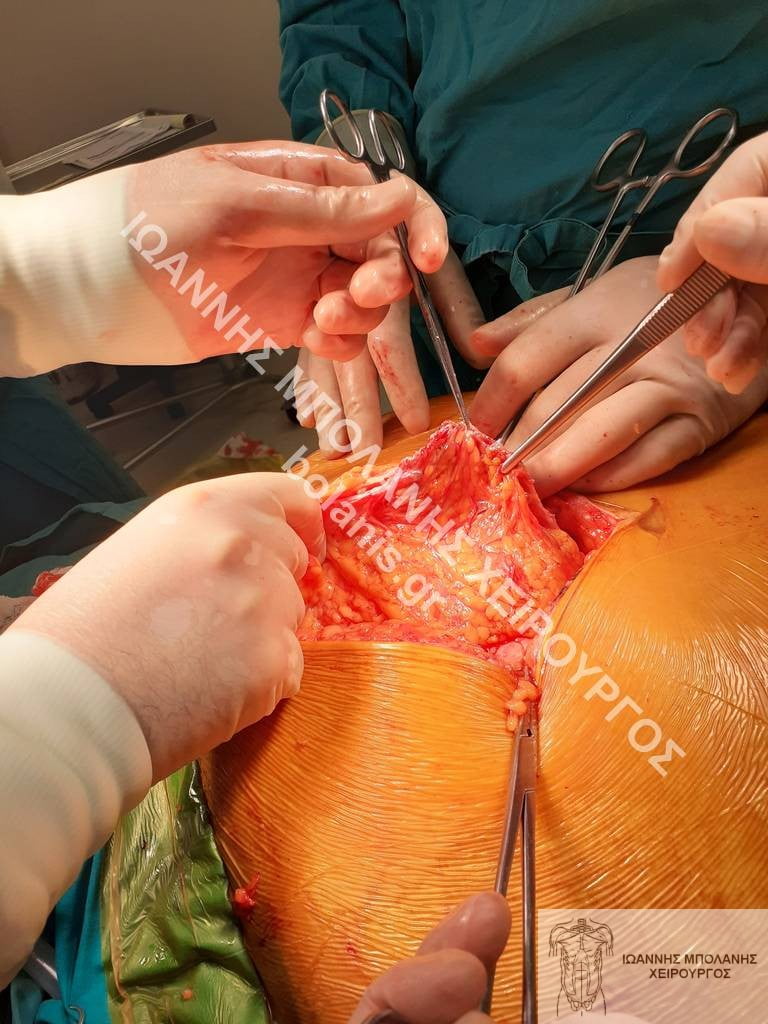
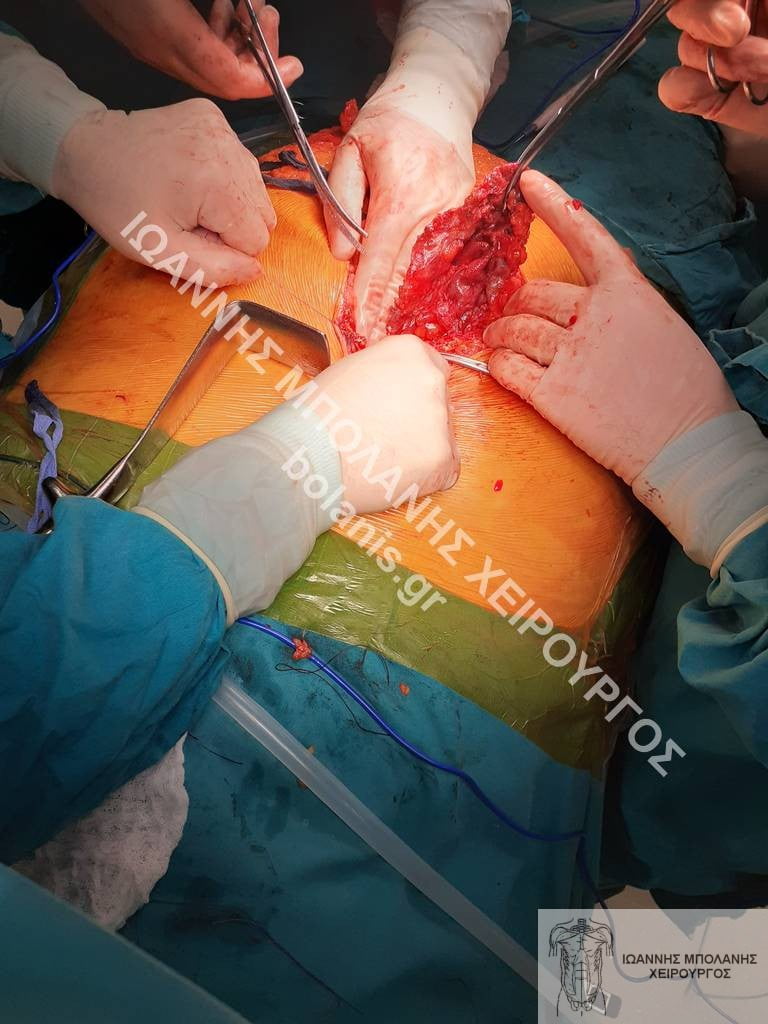
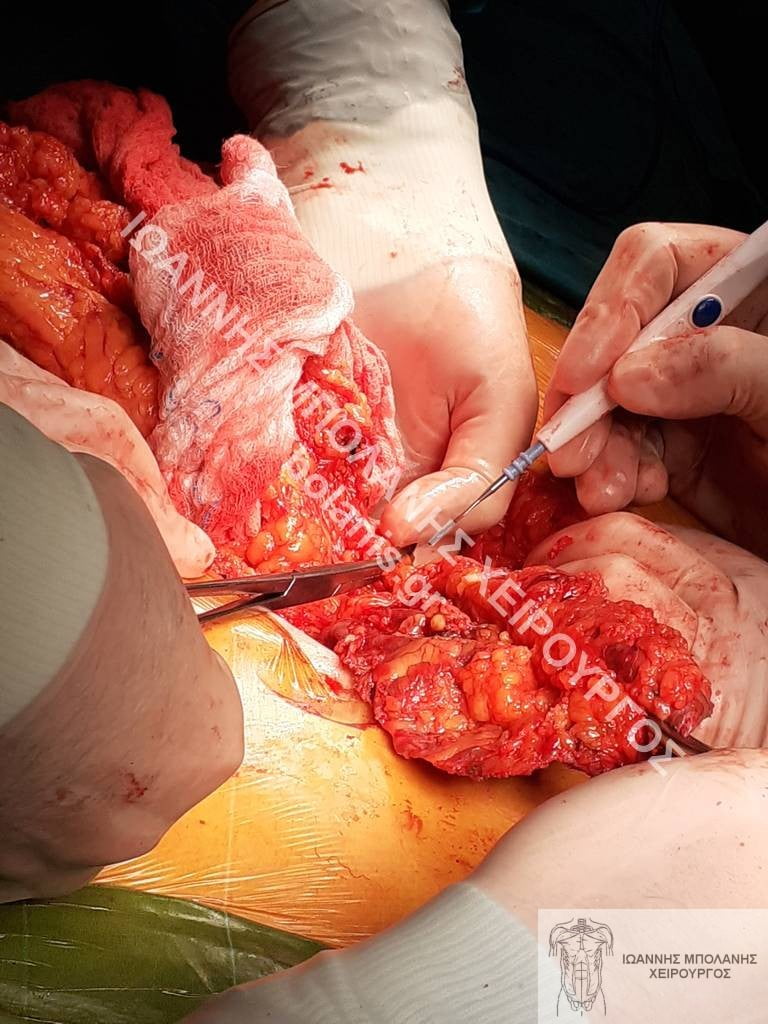
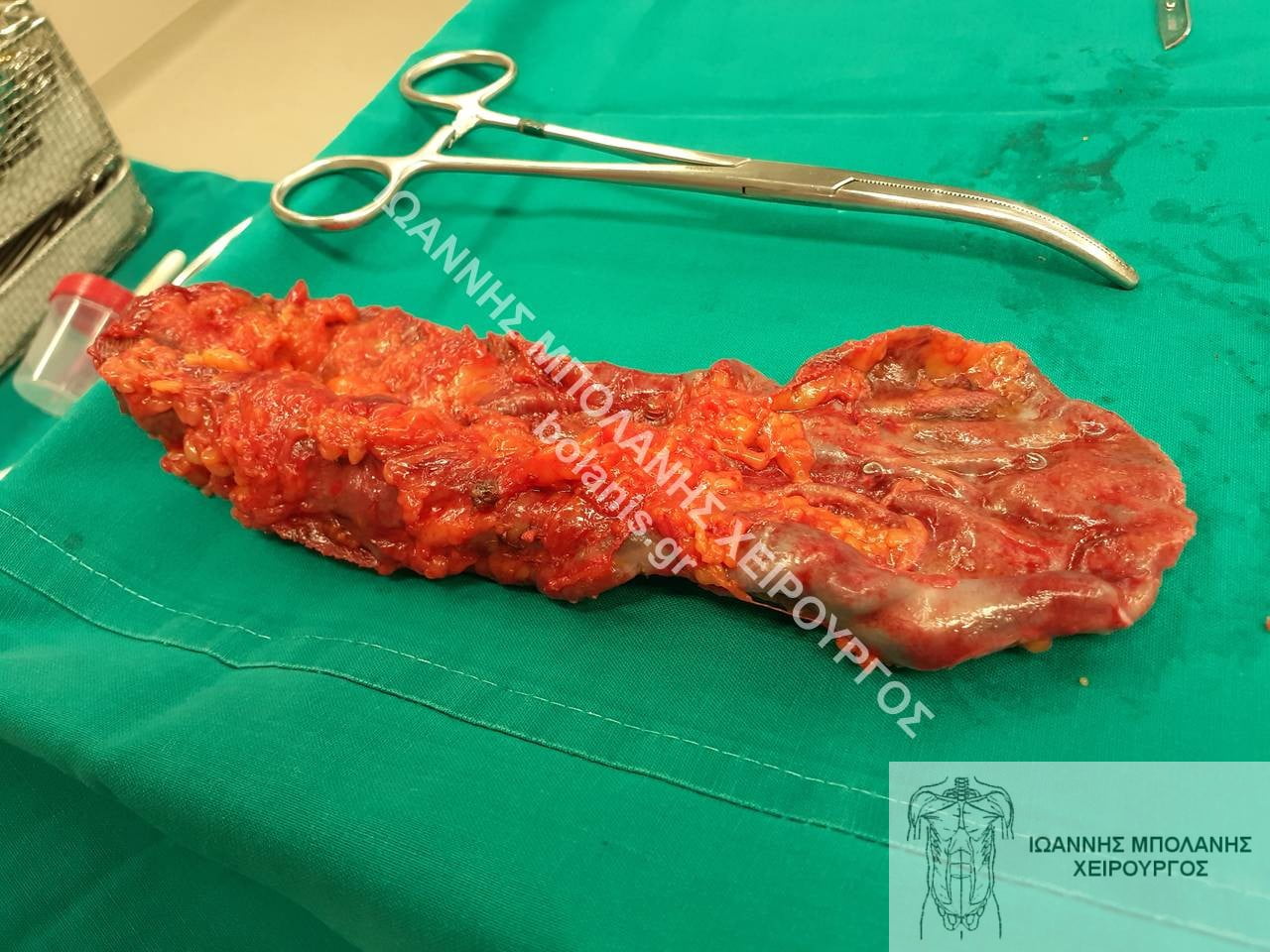
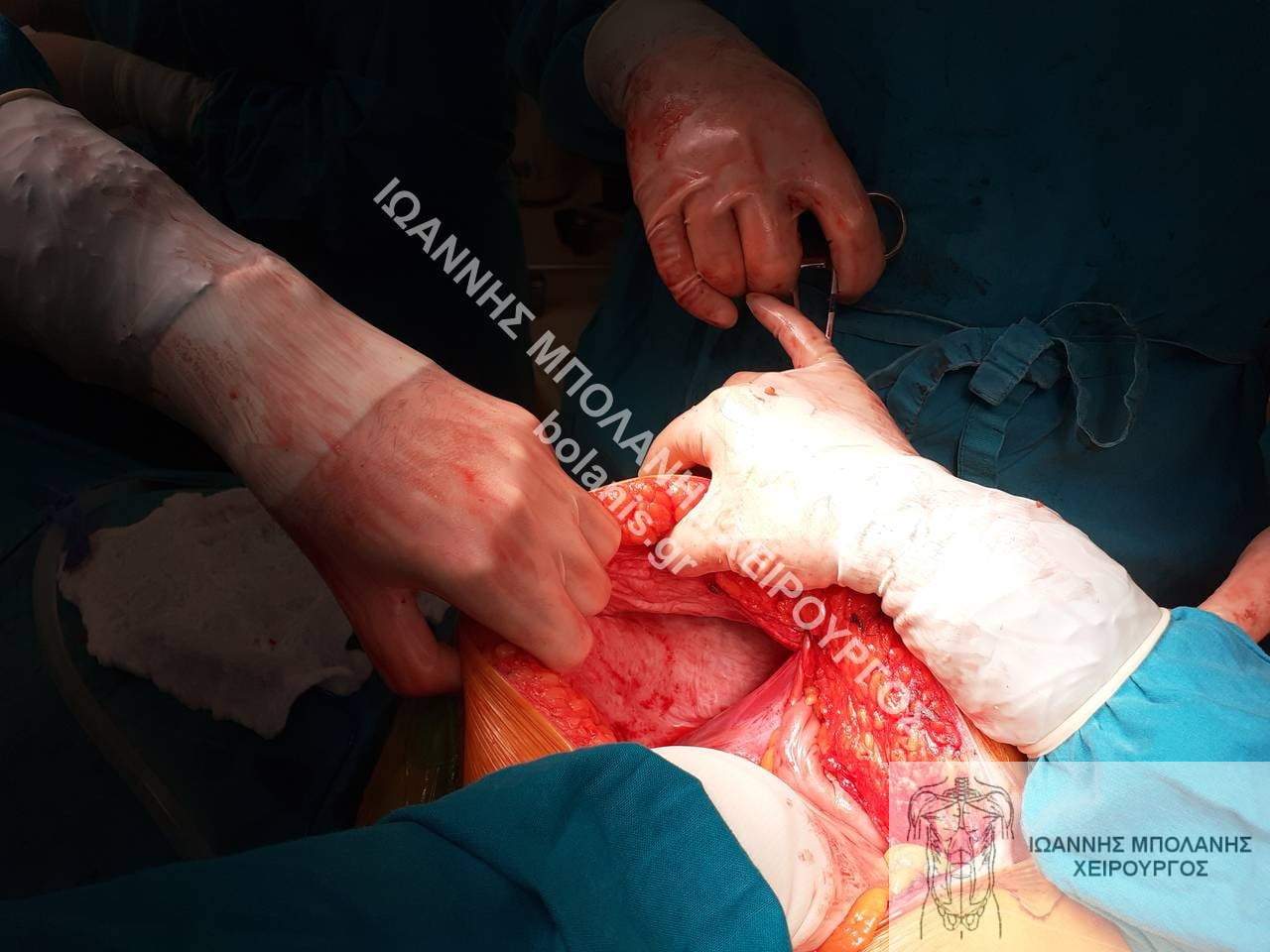
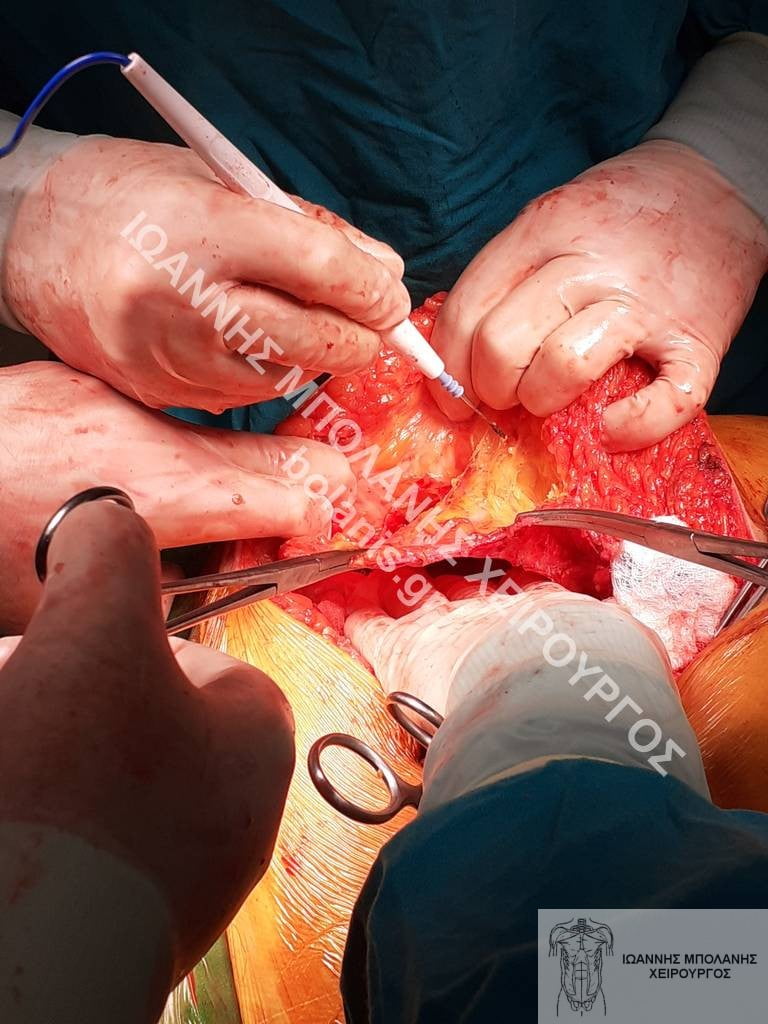
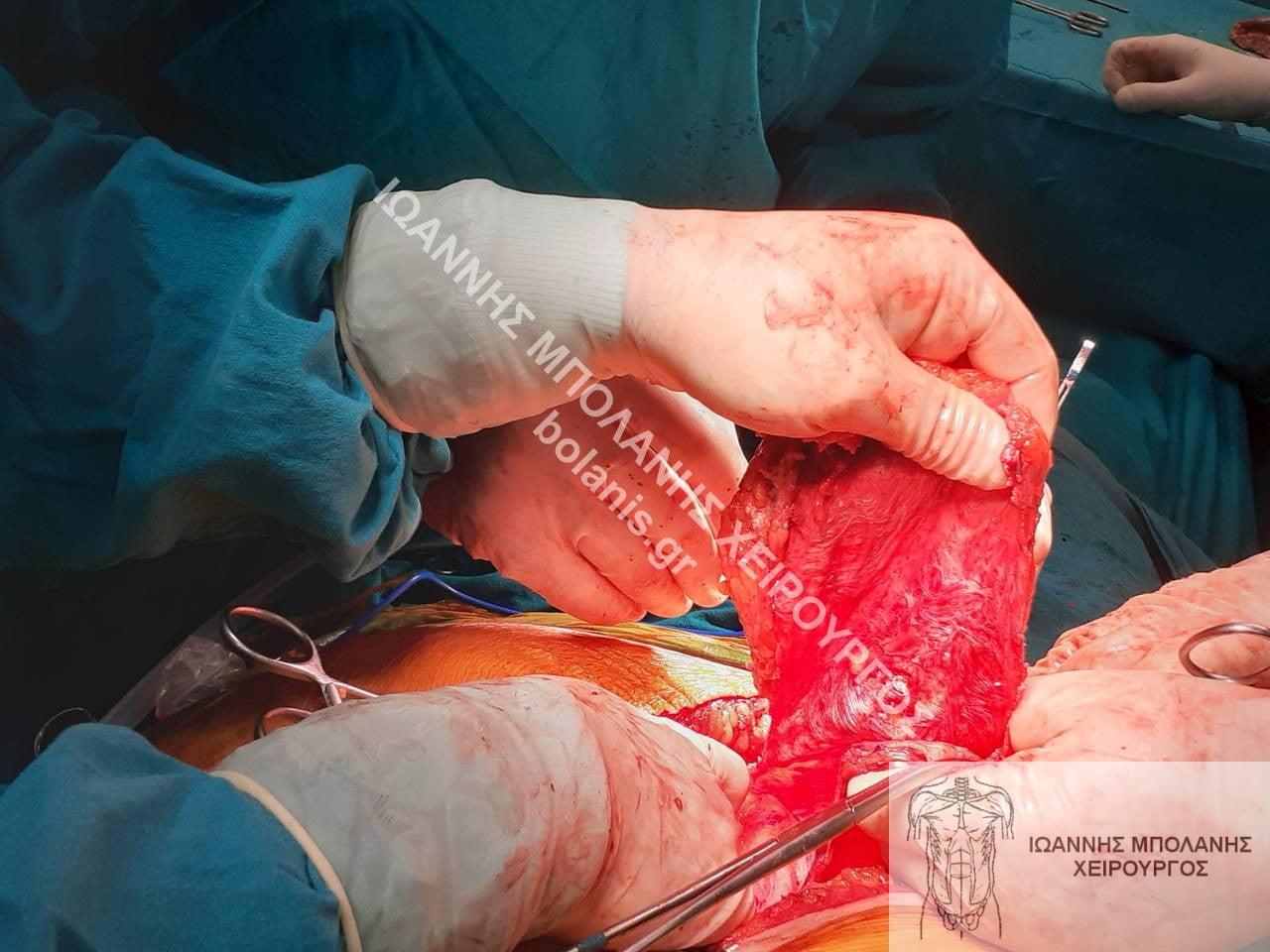
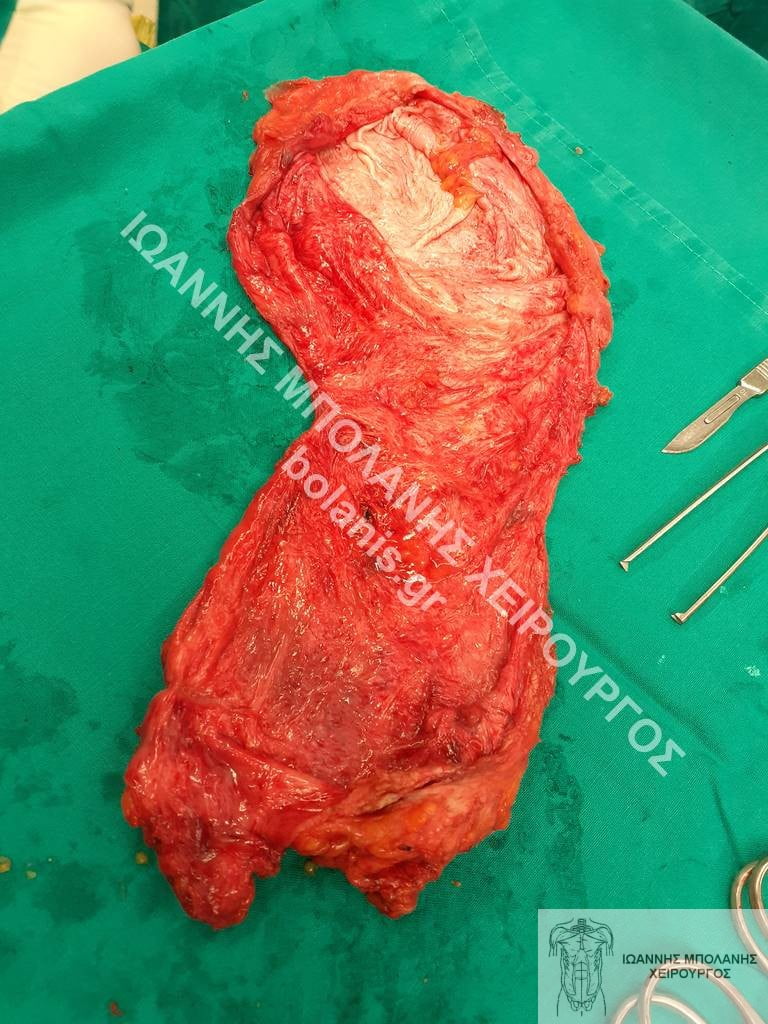
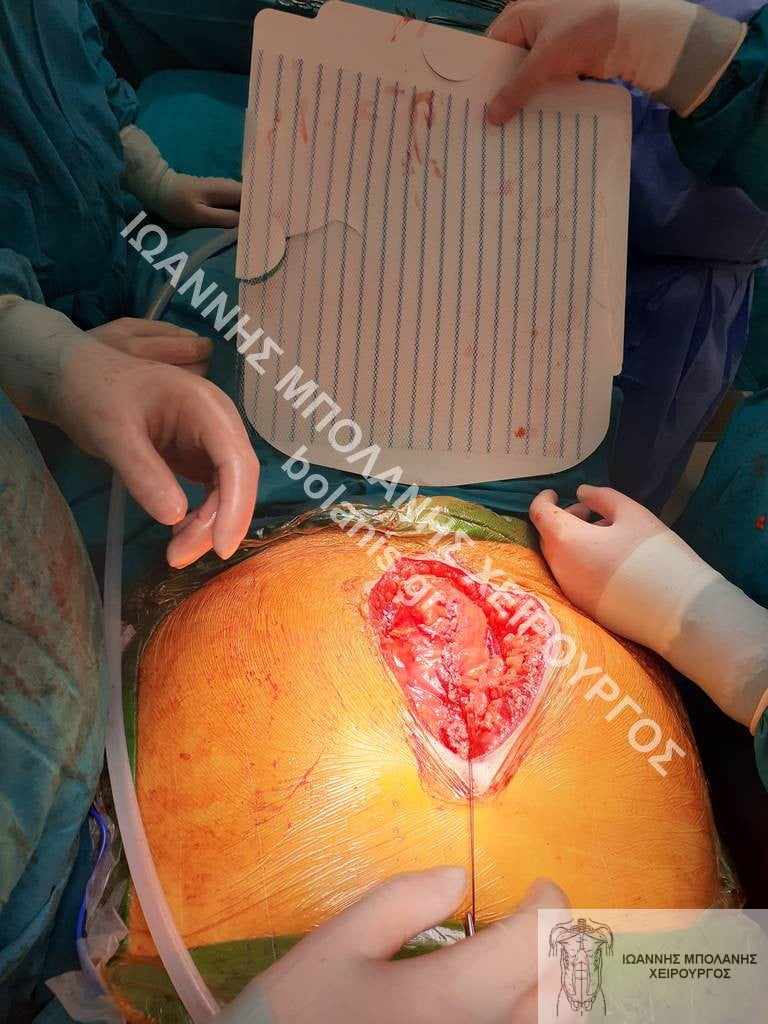
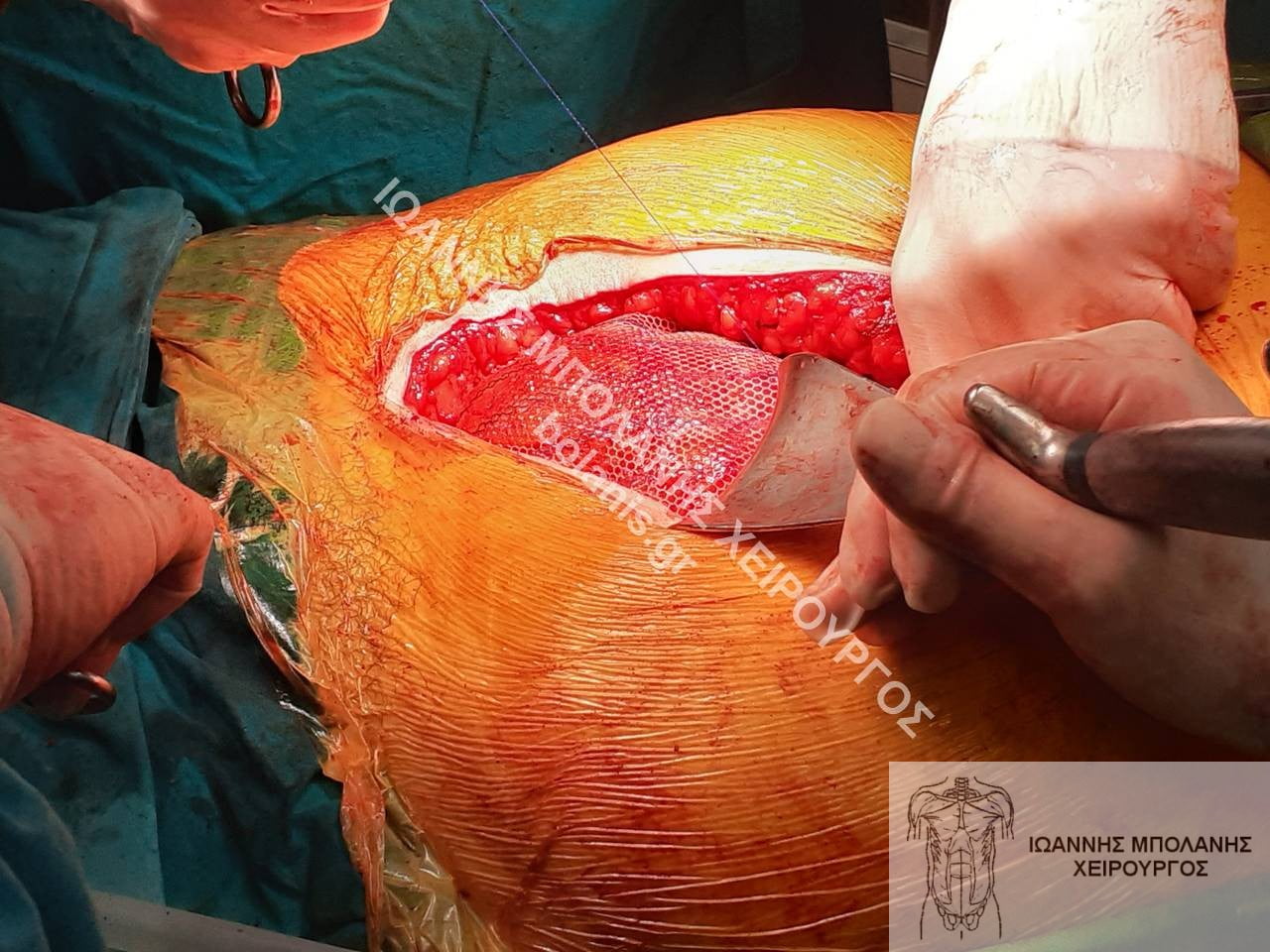
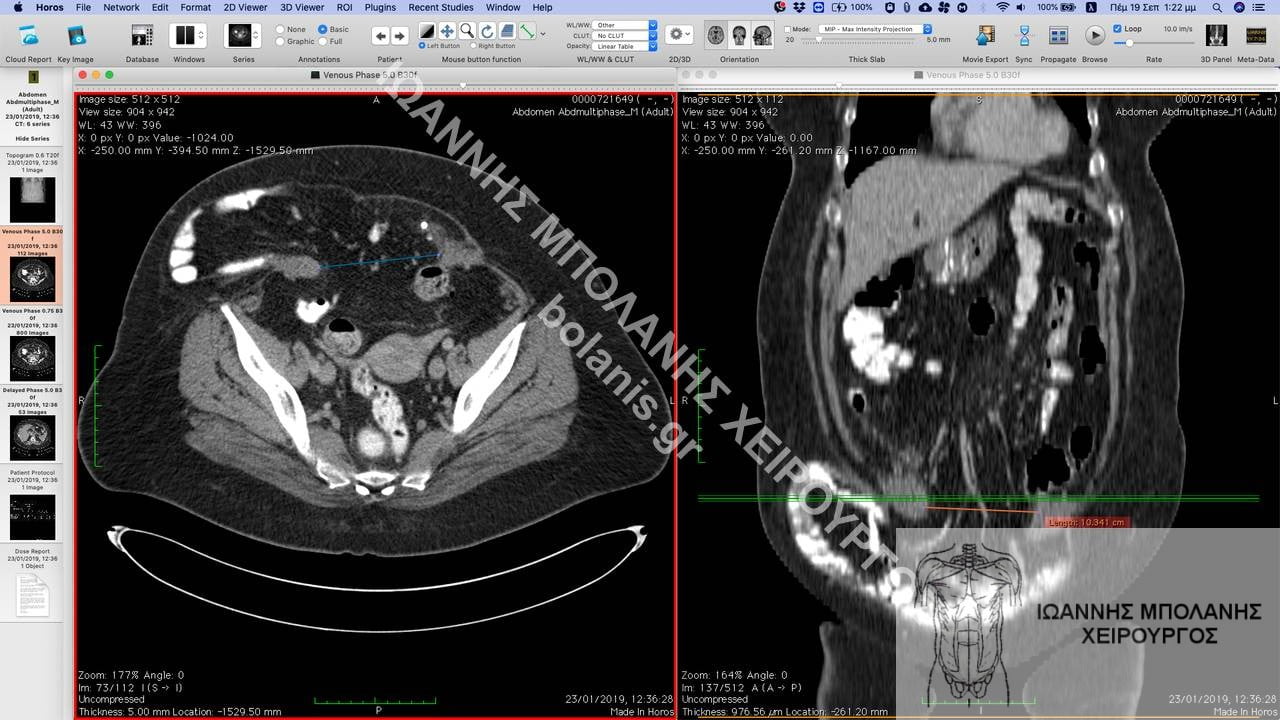
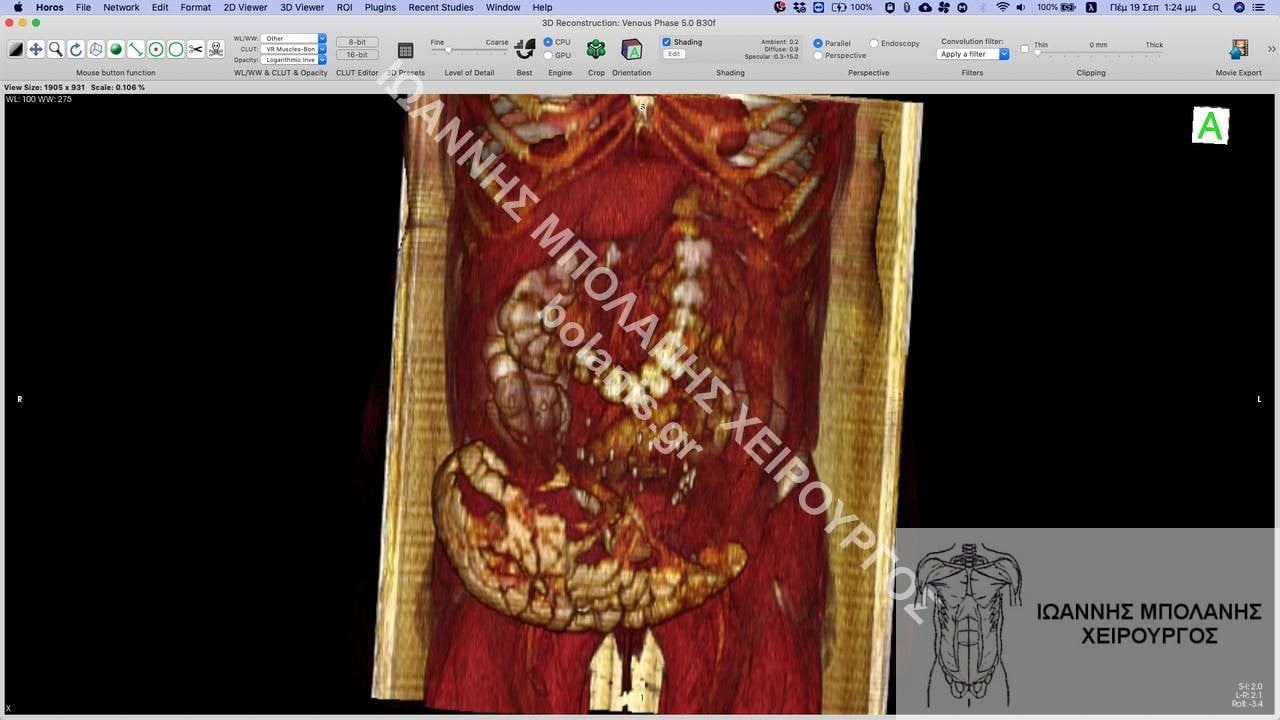
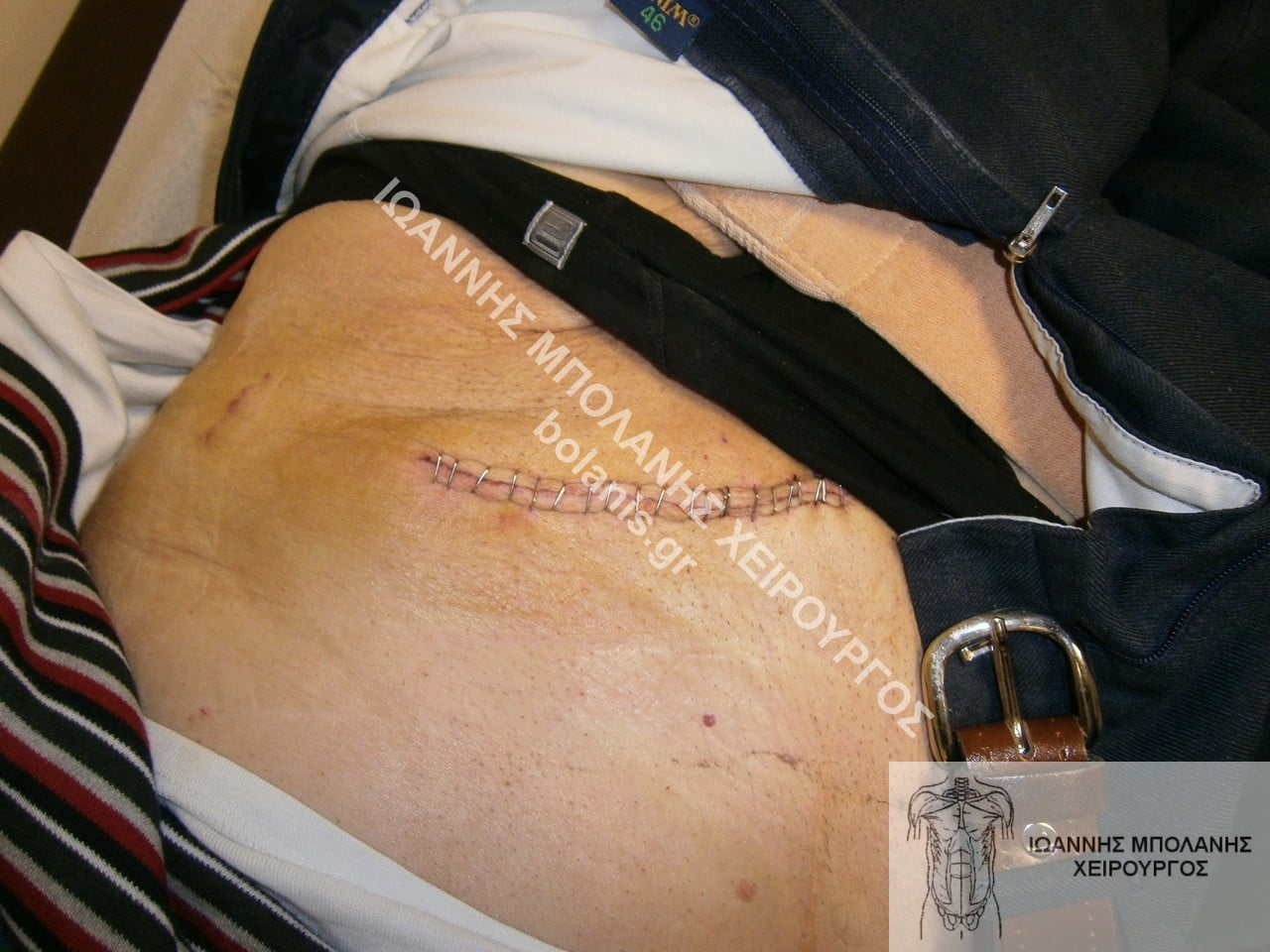
Postoperative hernia recurrence after mesh surgery. The old mesh is removed (photo 1-6) which has left its position and has shrunk and a new mesh is placed. As can be seen in the photos, a new huge hernia had been created (photos 7-10) which contained almost half of the intestine, it can also be seen in the x-rays. The old plexus was removed (photo 6) which had many adhesions to the intestine and to the abdominal wall. The hernia sac was also removed (photo 10) and then the peritoneum and the posterior petal of the rectus abdominis were sutured and the new mesh placed.